
See the Full Gallery: Alex Gell on Documentary Wedding Photography
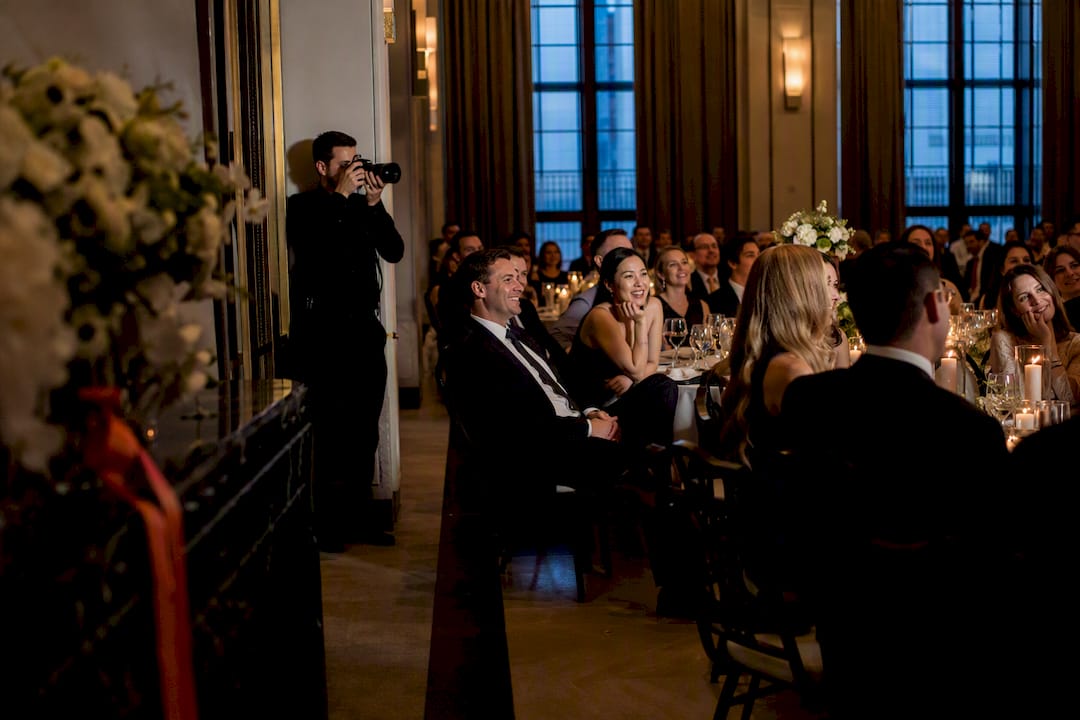
Documentary wedding photography is an observer-led, story-first approach that captures your wedding as it actually happened, not how you were posed to look. It suits couples who feel awkward in front of a camera and care more about honest emotion than perfectly symmetrical group shots. Most photographers working this way still build in a handful of short portraits and family formals, so you won't lose those images entirely.
TL;DR:
- Documentary wedding photography requires longer coverage hours, including time for couple portraits and extended reception, which increases the cost.
- Expect a full gallery of several hundred images arranged in story order, emphasizing reactions, candid moments, and sequence flow rather than curated highlight reels.
- Photographers must demonstrate technical skill in varying lighting conditions, anticipate key moments, and remain discreet through unobtrusive gear, clothing, and behavior.
- Viewing an entire wedding gallery is essential to assess consistency and authenticity, as highlight reels can hide gaps in coverage or editing tone.
- The style suits couples who prefer genuine emotion and storytelling over posed images but involves trusting the photographer's instincts for capturing sequences over individual "perfect" shots.
Table of Contents
- What is documentary wedding photography, really?
- What documentary coverage actually captures
- What to expect on your wedding day
- How to choose a documentary wedding photographer
- Portfolio, proof, and where I fit into this
- Why documentary coverage often costs more
- The equipment and skills documentary photography demands
- How photographers stay discreet without disappearing
- The editing style behind documentary wedding photos
- Documentary versus other wedding photography styles
- Why I favour documentary storytelling
- See the full galleries and book a date
- Sources
- FAQ
What is documentary wedding photography, really?
Documentary wedding photography grew out of photojournalism, where the goal was always to capture the truth of a moment rather than construct it. Photographers working this way lean on what photojournalists call the "decisive moment", the split second when an expression, a gesture, or the light itself tells the whole story without any direction from behind the camera. This approach is an observer-led style rooted in photojournalism that prioritises unposed, truthful moments over directed poses.
You'll see the terms "documentary", "reportage", "photojournalism" and "candid" used almost interchangeably by photographers, though there are subtle shades between them. It's worth clearing up a few myths before you book anyone:
- It isn't paparazzi-style photography. Nobody is hiding in bushes or shooting without consent.
- It doesn't mean zero portraits. Most documentary photographers still carve out time for you and your close family.
- It isn't a lower-effort option. Watching for moments takes as much skill as arranging them, arguably more.
What documentary coverage actually captures
The strength of this style lies in what it notices that a posed session never will: a father's face during the vows, a best man losing his composure mid-toast, the quiet exchange between grandparents at the edge of the dance floor. Documentary photographers focus on building scenes rather than isolated hero shots, which is why the images tend to include reactions and context, not just a single, static grin.
Some of the moments worth watching for across the day:
- Ceremony reactions, including guests, not just the couple.
- Speeches and toasts, where genuine laughter and tears happen.
- In-between gestures, hands held, a glance across the room.
- Late-night dancing, when everyone stops performing for the camera.
Sequences matter more than single frames here. A gallery that flows like a short film tells you far more than a highlight reel ever could, and that continuity is precisely what makes these images hold up over the years. Trend-driven edits date quickly; a genuine laugh never does.
What to expect on your wedding day
A documentary photographer's day looks different from a heavily choreographed one, and it's worth knowing the shape of it before you sign anything.
- Early arrival. Expect your photographer to arrive during getting-ready, often an hour or more before the ceremony, to settle in and start noticing details before the day accelerates.
- Brief portraits. Couple portraits typically take just 15 to 20 minutes, and family formals another 10 to 15, a fraction of what traditional portrait-heavy schedules demand. That change alone can return 30 to 45 minutes of celebration time back to you rather than spending it standing in a line-up.
- Extended reception coverage. The photographer stays through speeches, dinner, and dancing, since this is where most of the unscripted material happens.
- Adaptable technique. Available light, longer lenses, and a habit of shooting from a distance let the photographer stay discreet, particularly in low-light venues or during the ceremony itself.
- Delivery. Expect a full gallery arranged in story order, usually running into several hundred images, with turnaround times varying by photographer, so ask upfront rather than assuming.
How to choose a documentary wedding photographer
The single best thing you can do before booking anyone is insist on seeing a full wedding gallery, not a curated highlight reel. Highlight reels can hide gaps in coverage, and a strong gallery should show the whole arc: getting ready, ceremony, candid reactions, reception. Look specifically for continuity between images and a consistent editing tone from start to finish.
A few questions worth asking at your first meeting:
- How many hours of coverage are included, and does that stretch to the end of the dancing?
- What backup equipment do they carry, and what happens if a camera fails mid-day?
- What does their post-production workflow look like, and how long until you see your gallery?
- Roughly what proportion of the day is directed versus purely observed?
Watch for red flags too: a "documentary" portfolio stuffed with posed line-ups, wildly inconsistent tone from wedding to wedding, or a photographer who won't show you a complete gallery when asked.
Pro Tip: Ask specifically to see images of guests reacting, parents, grandparents, friends. Reaction shots are the clearest tell of genuine documentary work, far more revealing than another perfect couple portrait.
Portfolio, proof, and where I fit into this
I'm Alex Gell, a Berkshire-based photographer covering weddings and events across London, Berkshire, and Oxfordshire. My work blends documentary observation with an editorial finish, so the honest moments still arrive polished enough to print and frame.
When you look through my wedding photography portfolio, pay attention to three things: whether the story flows naturally from one moment to the next, how the light is handled in tricky venues, and whether guest reactions feature as prominently as the couple's own. Compare that against my candid wedding photography examples too. Ask any photographer, myself included, to show you a full gallery and speak to client testimonials before you commit. That request tells you more about their real standard than any single showcase image ever will.
Why documentary coverage often costs more
Pricing for documentary wedding photography tends to sit higher than a strictly traditional package at the same experience level, and the reason isn't arbitrary. Coverage hours run longer, since the photographer needs to be present through getting-ready and right into the dancing to catch the unscripted moments that define the style. Longer hours and higher post-production time due to larger image volumes both push the price up compared with a shorter, portrait-focused shoot.
Editing volume is the other factor people underestimate. A documentary photographer typically shoots far more frames across the day because they're capturing sequences rather than staged setups, and every one of those frames needs sorting, culling, and colour-grading before delivery. That's hours of unseen work behind every finished gallery.
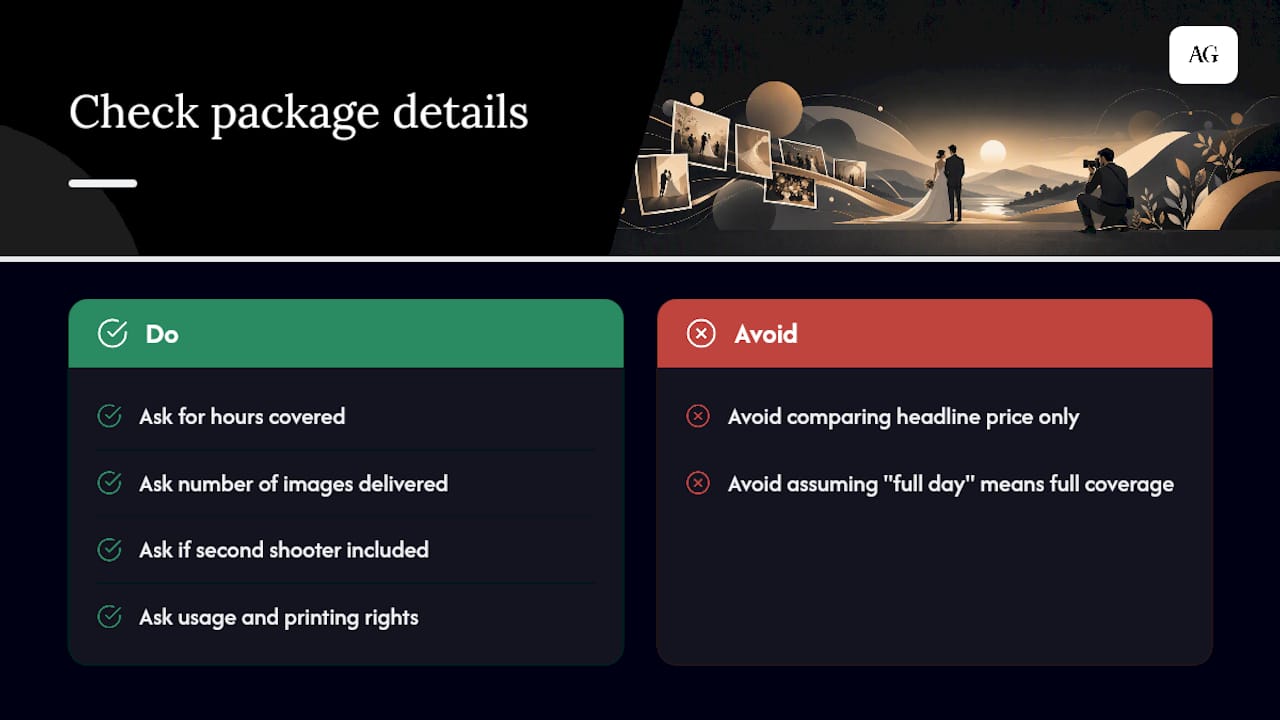
It's worth asking any photographer for a clear breakdown of what's included: hours covered, number of images delivered, whether a second shooter is part of the package, and what commercial usage or printing rights come with your gallery. Comparing packages purely on the headline price without checking these details is how couples end up disappointed later, discovering their "full day" coverage actually stopped after the meal.
The equipment and skills documentary photography demands
Shooting this way asks more of a photographer's technical range than a controlled studio session ever would. Lighting shifts constantly across a wedding day, bright outdoor ceremonies, dim marquees, candlelit speeches, and a documentary photographer needs to adjust exposure and settings instantly without breaking the flow of the room.
Fast, wide-aperture lenses are essential for low light without resorting to harsh flash, while longer lenses let a photographer capture intimate reactions from across a room without becoming part of the scene. Reliable autofocus and quick reflexes matter more here than in almost any other genre of photography, because a decisive moment rarely repeats itself.
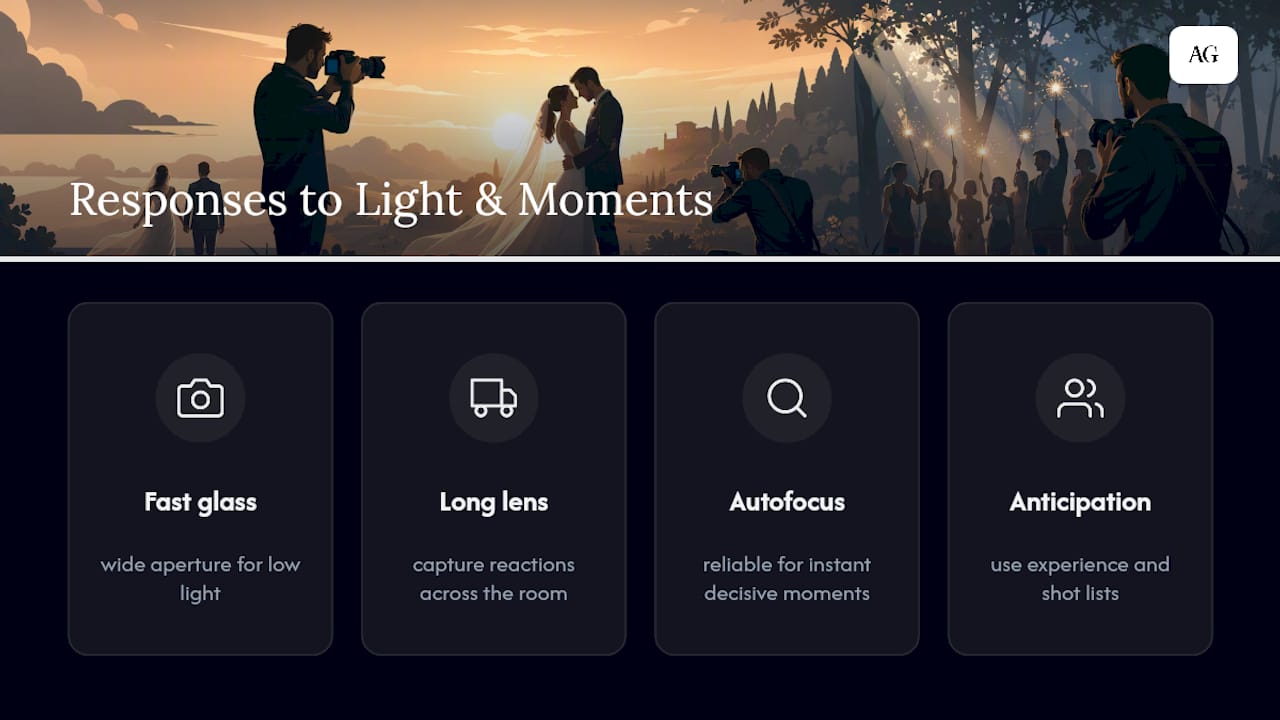
Beyond the kit, the skill that separates strong documentary work from average work is anticipation. Knowing where to stand before the best man starts his toast, or sensing when a couple is about to share a private glance, comes from experience reading a room rather than any single piece of gear. Event photography in general rewards this kind of preparation, and planners covering other types of events lean on similar ready-to-use shot lists to anticipate key moments rather than leaving everything to chance.
How photographers stay discreet without disappearing
Blending in is a discipline in itself, and it's part of what separates a genuinely documentary photographer from someone simply taking candid-style photos between poses. Dark, unobtrusive clothing, quiet shutter settings, and a habit of shooting from the edges of a room rather than the centre all help a photographer become part of the furniture rather than the centre of attention.
Presence, positioning, and continuity are the three things a skilled documentary photographer manages constantly throughout the day. That means arriving early enough to become a familiar face before the formal moments begin, so guests stop noticing the camera by the time speeches start.
Discretion doesn't mean total invisibility, though. The strongest documentary photographers still blend observation with gentle composition, adjusting a veil caught in the wind or suggesting a short walk outside to create a natural anchor point, without ever staging the whole scene around it. That light touch is the real skill: guiding just enough to help a moment happen, never enough to fake it.
The editing style behind documentary wedding photos
Post-processing for documentary work tends towards a natural, true-to-life finish rather than heavy stylisation. Available light and discretion preserve atmosphere, and that philosophy carries through into the edit, avoiding flash-heavy looks or artificial colour grading that would flatten the mood the moment was shot in.
Consistency matters as much as any individual edit. A documentary gallery should feel like one cohesive story from the first getting-ready frame to the last dance, with tones and contrast handled the same way throughout rather than swinging between wildly different styles image to image. That's one of the clearest signs a photographer genuinely understands the approach, rather than simply applying a trendy filter to otherwise conventional shots.
Turnaround expectations vary between photographers, so it's worth asking directly rather than assuming a set timeframe, since the larger volume of images documentary coverage produces can extend editing time compared with a smaller, portrait-only shoot.
Documentary versus other wedding photography styles
Every approach has trade-offs, and it helps to weigh them honestly rather than assume one style suits everyone. The table below sets out how documentary coverage compares against more traditional, posed approaches.
| Consideration | Documentary style | Traditional/posed style |
|---|---|---|
| Direction level | Minimal, mostly observed | High, most shots arranged |
| Time with photographer | Spread across the whole day | Concentrated in set portrait sessions |
| Best for | Couples who dislike posing, want emotion | Couples who want formal, symmetrical images |
| Typical image volume | Higher, full-day narrative | Lower, curated set pieces |
| Risk | Fewer guaranteed "perfect" group shots | Can feel stiff or less emotionally authentic |
The clearest advantage of documentary coverage is authenticity that doesn't fade with changing trends, images of real laughter and real tears rather than rehearsed smiles. The trade-off is that you're placing more trust in the photographer's instincts on the day, since very little is planned in advance. If you have specific must-have group shots in mind, discuss those directly rather than assuming they'll happen organically. Reading through a comparison of documentary and editorial approaches beforehand can help you work out which balance suits your own wedding.
Why I favour documentary storytelling
I lean towards observation because the moments couples treasure years later are rarely the posed ones, they're the unguarded glance, the joke that landed, the tears nobody planned for. I still build in a handful of anchor portraits, because most couples want at least a few considered images of themselves, but I keep everything else unscripted. If you'd like to see how that balance plays out across a real wedding day, I'd rather show you a full gallery than talk you through it.
— Alex
See the full galleries and book a date
Documentary wedding coverage is available with packages tailored to how much of your day you want covered and how many hands you want behind the camera.
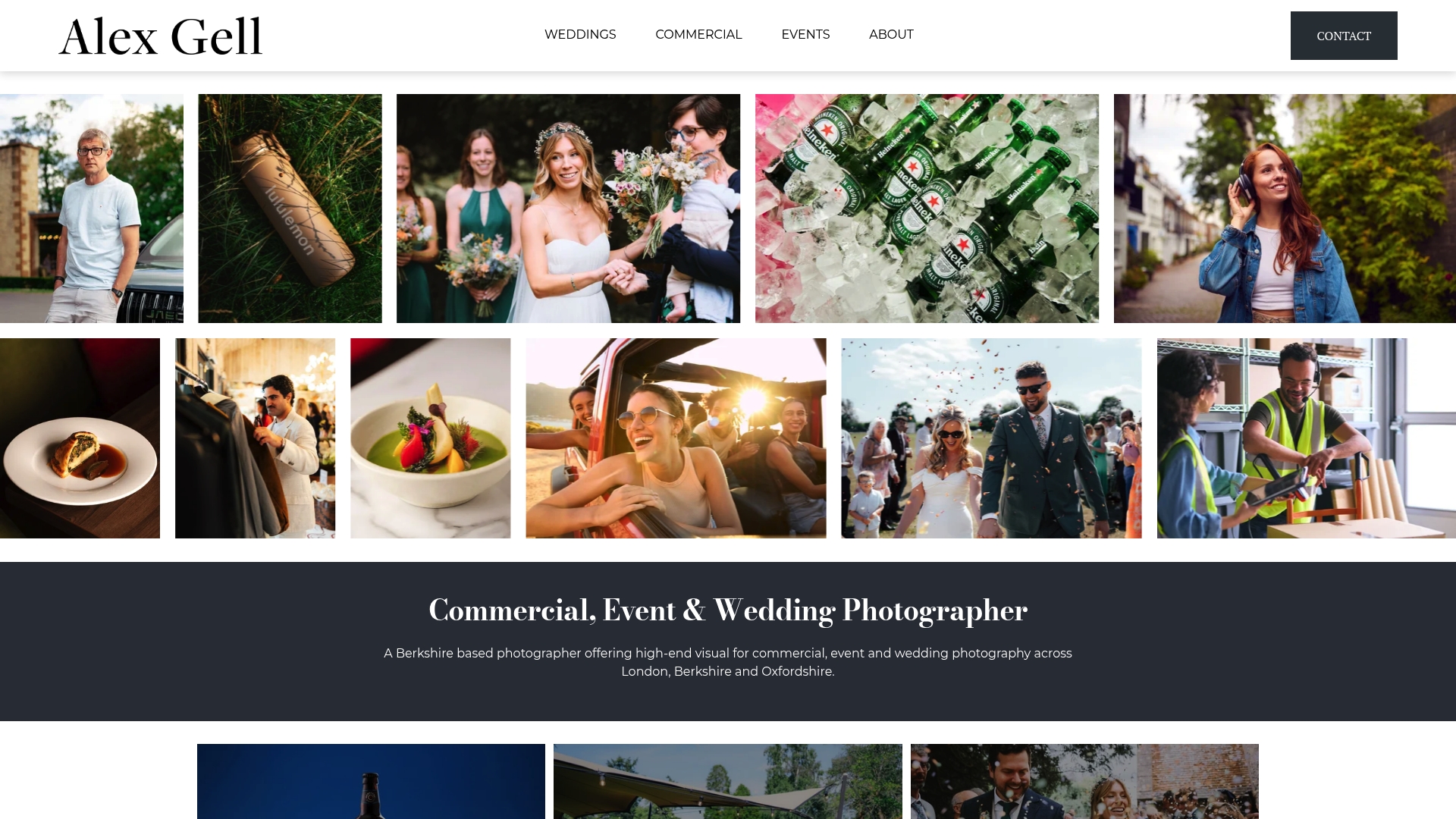
Rather than a rigid one-size package, coverage is built around your actual timeline, whether that means a full day from getting-ready through to the last dance, or a shorter window focused on ceremony and reception. You can browse full, unedited-order galleries on the wedding photography portfolio page to judge the storytelling flow for yourself, exactly the kind of full-gallery check this guide recommends before booking anyone. If London is your venue city, the wedding photographer London page has more detail on coverage there specifically.
The next step is straightforward: get in touch through the wedding enquiry page with your date and venue, book a short meeting to talk through your day, and secure your date with a deposit once you're both happy. Popular dates fill quickly, so enquire as early as you can.
Sources
- What Documentary Style Wedding Photography Actually Looks Like — TWA Wedding Photography
- Documentary Wedding Photography: What It Means & Who It's For — Photo‑Logica
- Reportage / Documentary wedding photography — Simon Dewey
FAQ
Can you give me some examples of documentary wedding photography?
Look for full wedding galleries showing candid ceremony reactions, unposed reception moments, and guest expressions in sequence rather than isolated shots. Alex Gell's wedding photography portfolio shows this narrative flow across full weddings, and asking any photographer for their complete gallery is the best way to judge their real style.
How is documentary wedding photography different from candid photography?
Candid photography simply means unposed images, while documentary photography is a full approach built around observing and narrating an entire day as a connected story. You can read more in this comparison of candid and documentary styles.
Will I still get any posed photos with a documentary photographer?
Yes. Most documentary photographers, Alex Gell included, still include brief couple portraits and family formals, typically 15 to 20 minutes for the couple and 10 to 15 for family groups, while keeping the rest of the day fully observational.
