
Questions to Ask a Wedding Photographer: Your Complete Guide
Alex Gell Photography
Before you pay a penny, there are ten questions every couple should ask any wedding photographer. Print this list, save it to your phone, or send it ahead by email — these are the ones that matter most.
- Are you available on our date, and will you personally be shooting? A confident answer names the lead photographer and confirms no double-booking.
- Can we see two or three complete wedding galleries, not just highlights? Look for consistency across the full day, not just the golden-hour portraits.
- How many weddings do you shoot each year, and have you worked at our venue? Fewer than ten a year can mean limited experience; venue familiarity saves time on the day.
- What exactly is included in your packages (hours, second shooter, albums)? A clear, itemised list prevents surprises at the invoice stage.
- What is your deposit, when is the balance due, and what are your overtime rates? "Booking fee" and "deposit" have different legal meanings in the UK — ask which applies.
- How long until we receive our images, and how many edited photos can we expect? Full-day coverage typically yields several hundred edited images with a turnaround time of about one to two months.
- How will the images be delivered, and what file formats do we receive? Full-resolution JPEGs via an online gallery is the current standard; raw files are rarely included.
- Who owns the copyright, and what licence do we have for printing and sharing? Under UK law, the photographer retains copyright by default — you need a written licence.
- What is your backup plan if your equipment fails or you fall ill? Ask for the name and portfolio of the nominated replacement photographer.
- What are your cancellation and rescheduling terms? A sliding scale tied to notice periods is the legally defensible approach, in the UK.
Key takeaways
Asking the right wedding photographer questions before you sign protects your day, your budget, and your peace of mind.
| Point | Details |
|---|---|
| Always request full galleries | Ask for 2–3 complete recent wedding galleries, not just highlights, to assess true consistency. |
| Confirm who will actually shoot | Get the lead photographer's name in the contract, plus a named replacement in case of illness. |
| Clarify delivery in writing | Full-day coverage typically yields 400–800 edited images; insist on a 4–8 week turnaround in the contract. |
| Understand UK copyright | The photographer owns copyright by default under UK law; secure a written personal use licence for printing and sharing. |
| Alex Gell for London and the South East | Alex Gell covers weddings across London, Berkshire, and Oxfordshire with transparent contracts and a documentary-editorial approach. |
Table of Contents
- The right wedding photographer questions to ask before you book
- How to assess a photographer's style and portfolio
- Questions about packages, pricing and payment terms
- Practical day-of questions you should not overlook
- What to ask about image delivery, files and editing
- Contracts, copyright and UK legal notes
- Backup plans: equipment failure, illness and insurance
- Destination and out-of-area weddings: what to ask
- How to read the answers: red flags and strong signals
- Your printable interview checklist
- Why these questions genuinely matter
- Ready to start your wedding photography enquiry?
- Sources
The right wedding photographer questions to ask before you book
The first conversation with a photographer is really an audition, and the questions you ask determine how much you learn. Before you commit to a retainer, three things need to be clear: the photographer's availability, their actual track record, and whether the person you meet is the person who will show up on your wedding day.
Confirm the date first, obviously, but then go further. Ask whether the lead photographer or an associate will be shooting. Some studios book under one name and send a different photographer entirely. Industry guidance from Hitched is consistent on this point: meet or speak with the person who will actually photograph your day, not just the studio owner or a sales contact.
References and testimonials matter, but third-party reviews on Google or a platform like Bridebook carry more weight than a curated page of quotes on the photographer's own website. Ask for two or three names you can contact directly. A photographer who hesitates at that request is telling you something.
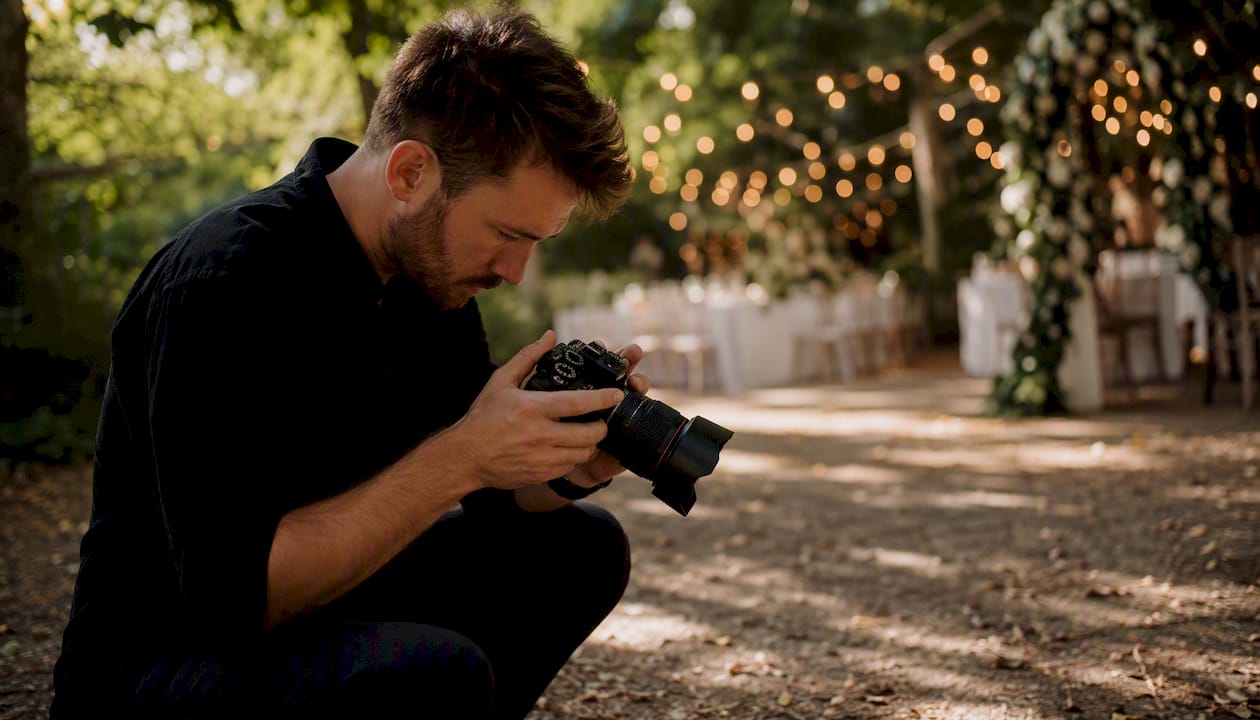
Pro Tip: Ask how many weddings the photographer shoots per year. Fewer than ten can indicate limited experience in varied conditions; more than forty may suggest they are spread thin and less invested in each booking.
Then ask for full wedding galleries from recent bookings. Not a highlights reel. Two or three complete days, including the ceremony, speeches, and evening reception. Consistency across an entire day is the hallmark of a genuinely skilled professional.
How to assess a photographer's style and portfolio
A highlights reel is a marketing tool. It shows the best twenty images from the best light of the best day. What it hides is everything else: the dimly lit ceremony room, the chaotic group photos, the speeches under fluorescent hotel lighting. Those are the conditions your photographer will actually face.
Requesting full galleries is the single most revealing thing you can do when picking a wedding photographer. Look for:
- Skin tones across the day. Do they stay natural and warm, or do they shift dramatically between morning and evening?
- Exposure in low light. Ceremony and reception shots often happen in challenging indoor conditions. Blown-out windows or muddy shadows are warning signs.
- Variety of moments. Candid laughter, quiet in-between moments, and formal portraits should all appear, not just posed shots.
- Consistency of editing. The style should feel coherent across the whole gallery, not like different photographers edited different sections.
Style terms can be confusing. "Documentary" means the photographer works candidly, rarely directing. "Editorial" suggests a more polished, magazine-style approach with deliberate composition. "Fine art" often implies heavy post-processing and a distinctive colour grade. "Traditional" leans towards posed, formal portraits. Most photographers blend two or more of these, so ask them to describe their approach in plain terms: "If I look at your gallery, what percentage of images are directed versus candid?"
If a gallery image looks heavily filtered or staged, ask about it directly. "This image has a very strong colour grade — is that applied to every image, or is it selective?" A photographer who cannot explain their own editing choices is one to approach with caution.
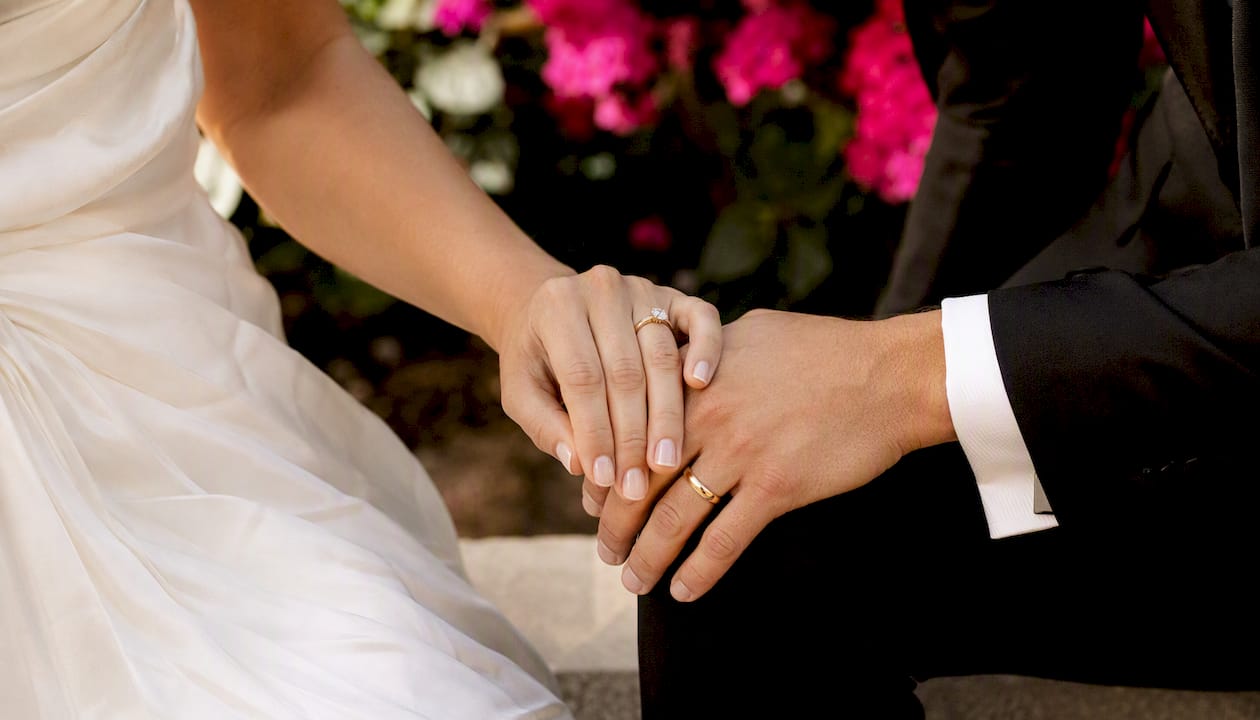
Understanding the full range of wedding photography styles before your meetings helps you articulate what you actually want, rather than discovering it only after the wedding.
Questions about packages, pricing and payment terms
Money conversations feel awkward, but vague answers here cost couples dearly. Ask for a written package breakdown before the meeting ends, and compare every offer against the same template.
- Hours of coverage. When does the clock start? Some photographers count from when they leave their home; others from when they arrive at the venue. Clarify this in writing.
- Second shooter. Is one included, or is it an add-on? A second photographer captures moments the lead cannot, particularly during the ceremony and couple portraits simultaneously.
- Engagement shoot. Some packages include a pre-wedding shoot as standard; others charge separately. It is worth having one regardless, because it lets you get comfortable in front of the camera before the day itself.
- Albums and prints. Is a designed album included, or is it priced separately? Ask to see the album quality in person if possible.
- Deposit and booking fee. These are not the same thing legally. A deposit is recoverable in some circumstances; a booking fee, described as covering administrative costs and loss of opportunity, is generally not. Ask which term applies and what the amount is.
- Final payment timing. Most photographers request the balance 4–6 weeks before the wedding. Confirm this in writing.
- Overtime rates. If the day runs long, what is the hourly rate for additional coverage? Get a figure, not a vague "we'll sort it on the day."
- Travel and parking. Is travel included within a set radius? Who pays for parking at the venue? Some photographers also request a hot meal on the day, which is a reasonable ask for a 10–12 hour booking.
For more context on what influences UK wedding photography pricing, it helps to understand what drives costs before you compare packages.
Practical day-of questions you should not overlook
The logistics of the wedding day itself are where misunderstandings most often occur. A clear conversation before you sign anything prevents stress on the morning itself.
- Arrival time. Ask what time the photographer plans to arrive and whether that time is included in your coverage hours. Arriving an hour before the ceremony to capture getting-ready moments is standard, but confirm it.
- Group photos. How does the photographer handle the family group shots? A good photographer will ask for a list in advance and move through them efficiently. Ask how long they typically allocate for groups of different sizes.
- Couple portraits. When during the day do they plan to take you away for portraits, and for how long? Twenty minutes is common; some photographers prefer forty-five. Knowing this helps you plan your timeline.
- Meal provision. Most photographers working a full day will expect a meal. Confirm whether this is included in your venue catering or whether you need to arrange it separately.
- Dress code. Some venues have dress codes that apply to suppliers. Check whether your photographer is aware of any requirements.
- Venue access. Does the photographer need to visit the venue beforehand? For complex or unfamiliar venues, a recce visit can make a real difference to the quality of the images. Ask whether they have shot there before and, if not, whether they plan to visit.
- Lead vs associate. Confirm once more, in writing, that the named photographer on your contract is the one who will be present. If an associate is planned, ask to see their portfolio specifically.
Pro Tip: Send your photographer a detailed timeline of the day at least four weeks before the wedding. Ask them to flag any timing they think is unrealistic. A photographer who reviews it carefully and comes back with suggestions is one who is genuinely invested in your day.
What to ask about image delivery, files and editing
The wedding is over. Now what? Delivery expectations are one of the most common sources of disappointment, and almost all of it is avoidable with clear contract terms.
Ask for a concrete turnaround time, not a vague estimate. Full-day coverage typically yields 400–800 edited images, and a standard turnaround is 4–8 weeks, though peak season can push this longer. If your photographer quotes twelve weeks or more, ask why and get it in writing.
- Proofs or preview images. Some photographers send a small selection of edited images within a week or two as a preview. Ask whether this is part of their process.
- Final gallery delivery. How will the images be delivered? An online gallery with download links is the current standard. Ask how long the gallery remains accessible and whether you can download at full resolution.
- File formats. Full-resolution JPEGs are standard. Ask whether the files are watermarked and, if so, whether clean versions are available for printing.
- Raw files. Most photographers do not include unedited raw files in their packages. If you want them, ask whether they are available and at what additional cost.
- Retouching. What does the editing include? Basic colour correction and exposure adjustment are standard. Skin retouching, object removal, and composite edits are usually separate. Ask what is included and what costs extra.
- Album design revisions. If an album is included, how many rounds of design revisions are permitted? Two rounds is typical; unlimited revisions is a generous offer worth noting.
A clear delivery timeline to insist on in your contract: proofs within two weeks, first full pass within six weeks, final gallery within eight weeks. Contracts should state concrete delivery windows and formats rather than vague commitments.
Contracts, copyright and UK legal notes
This is the section most couples skip, and it is the one that matters most when things go wrong. A well-drafted contract protects both you and the photographer.
Essential contract clauses to insist on
- Scope of work. Start and end times, number of photographers, specific deliverables (image count, album, prints), and delivery method.
- Named replacement photographer. If the lead photographer cannot attend due to illness or emergency, who steps in? The contract should name them or describe the process for finding one. UK professional guidance is clear that this clause protects both parties.
- Deposit and cancellation terms. A sliding scale tied to notice periods is the legally defensible approach. The further from the wedding date you cancel, the smaller the cancellation charge. Courts in the UK prefer a "genuine pre-estimate of loss" rather than an arbitrary penalty.
- Force majeure. What happens if the wedding cannot proceed due to circumstances outside either party's control? This clause should address refunds, credits, and rescheduling.
- Overtime charges. The hourly rate for coverage beyond the agreed end time, stated explicitly.
- Dispute resolution. How disagreements are handled, whether through mediation or another process.
Copyright and usage rights in the UK
Under the Copyright, Designs and Patents Act 1988, copyright in a photograph vests automatically in the photographer as the author. You do not own the images simply because you paid for them. What you need is a written licence specifying what you can do with the images: print them, share them on social media, use them in a wedding announcement, and so on.
If you need full ownership, that requires a formal assignment of copyright, which is a separate and usually more expensive arrangement. For most couples, a clear personal use licence covering printing, sharing, and non-commercial display is sufficient. Ask for this in writing, and check that it covers the formats and territories you actually need.
Pro Tip: Ask the photographer to use the phrase "personal use licence" rather than just "you can use the photos however you like." Vague verbal assurances are not enforceable. The licence terms should appear in the contract itself, not in a separate email.
UK consumer rights note: Under the Consumer Contracts (Information, Cancellation and Additional Charges) Regulations 2013, you have a 14-day cooling-off period for contracts signed away from the trader's premises. This applies to bookings made at wedding fairs or during a home visit. A reputable photographer will acknowledge this in their booking documents.
Photography contracts in the UK should also address model releases and consent, particularly if the photographer intends to use your wedding images for their own marketing. Ask whether your images will appear on their website or social media, and confirm you are comfortable with that before signing.
Backup plans: equipment failure, illness and insurance
A professional photographer should have a clear, written answer to every question in this section. Hesitation or vagueness here is a genuine red flag.
- Backup equipment. Ask whether they carry a second camera body, backup lenses, and spare memory cards. A photographer working a wedding with a single camera body and no backup is taking an unnecessary risk with your day.
- Memory card workflow. Do they shoot to dual cards simultaneously, so that every image is written to two cards at once? This is standard practice among professionals and protects against card failure.
- File backup after the day. How quickly are the images backed up after the wedding, and to how many locations? A photographer who drives home with a single memory card and no immediate backup is one to question.
- Named replacement photographer. If the lead photographer is incapacitated, who covers the day? Ask for the name and a link to their portfolio. A vague "we'll find someone" is not reassuring.
- Refund and reschedule policy. If a replacement cannot be arranged, what is the refund process? Get this in writing.
- Professional indemnity and public liability insurance. Ask to see the certificates. Many venues require proof of public liability insurance before allowing a supplier on site. A photographer without it may not be permitted to work at your venue at all.
Destination and out-of-area weddings: what to ask
If your wedding is outside the photographer's usual area, or abroad, the financial and logistical questions multiply quickly.
- Travel costs. What is included within a standard travel allowance, and what is charged separately? Ask for a written estimate based on your venue's location.
- Accommodation. For weddings requiring an overnight stay, who books and pays for accommodation? Is this included in the package or invoiced separately?
- Per-diems. Some photographers charge a daily rate for time spent travelling. Ask whether this applies and what the rate is.
- International shoots. For overseas weddings, ask about visa requirements, equipment import/export rules, and whether additional travel insurance is needed for the equipment. These costs can be significant and should be agreed in advance.
- Travel disruption contingency. If a flight is cancelled or a train is delayed, who covers the cost of alternative arrangements? Agree on a protocol before the wedding.
How to read the answers: red flags and strong signals
The questions are only useful if you know what a good answer looks like. Here is how to tell the difference.
Red flags
- Refusal or reluctance to share full wedding galleries from recent bookings.
- Evasive answers about who will actually be shooting your day.
- No written contract, or a contract that is a single paragraph with no specific deliverables.
- No backup equipment, no named replacement photographer, or no insurance.
- Delivery timelines quoted as "a few weeks" with no concrete figure.
- Requests for full payment upfront before the wedding.
- Excessive delays in responding to your enquiry before you have even booked.
Strong signals
- Named replacement photographer with a portfolio you can review.
- Clear, itemised deliverables in the contract: image count, file format, delivery method, and timeline.
- Consistent full galleries from multiple recent weddings, including challenging lighting conditions.
- Transparent pricing with no hidden extras.
- Willingness to discuss the contract clause by clause and answer follow-up questions.
- Familiarity with your venue, or a willingness to visit beforehand.
Follow-up questions for vague answers
If a photographer gives a non-committal answer, push gently. "Can you put that in writing?" is always a reasonable follow-up. "Can I speak to a couple whose wedding you photographed in similar conditions?" is another. A photographer who is confident in their work will welcome both.
Your printable interview checklist
Take this list to every meeting or send it ahead by email to request written confirmation of each point.
Availability and identity
- Confirmed available on our date
- Named lead photographer who will attend
- Named replacement photographer in case of incapacity
Portfolio and style
- Two or three complete recent wedding galleries reviewed
- Style approach described in plain terms (documentary / editorial / blend)
- Experience at our venue confirmed or recce visit planned
Packages and pricing
- Hours of coverage confirmed (start and end time)
- Second shooter included or priced separately
- Engagement shoot included or priced separately
- Albums and prints included or priced separately
- Overtime hourly rate confirmed in writing
- Travel, parking and meal provision agreed
Payment terms
- Deposit or booking fee amount and terminology confirmed
- Final payment date confirmed
- Cancellation sliding scale agreed and in the contract
Delivery
- Turnaround time confirmed in writing (target: 4–8 weeks)
- Expected image count confirmed (typically 400–800 for a full day)
- Delivery method confirmed (online gallery, USB, or other)
- File format confirmed (full-resolution JPEG)
- Raw files: included or not, and cost if available
- Retouching scope confirmed
Legal and contractual
- Personal use licence confirmed in writing
- Photographer's marketing use of your images agreed
- Named replacement photographer in the contract
- Force majeure clause present
- Dispute resolution process stated
- Insurance certificates available if required by venue
To use as an email template: copy the checklist above into an email and ask the photographer to confirm each point in writing before you sign. Keep their replies alongside the contract.
Why these questions genuinely matter
Every couple deserves to feel completely at ease with their photographer before the wedding day. These questions are not about catching anyone out. They are about making sure you and your photographer are completely aligned on what is being delivered, how it will feel on the day, and what happens if something goes wrong.
In my experience working with couples across Berkshire, Oxfordshire, and London, the bookings that go most smoothly are always the ones where everything was discussed openly before the contract was signed. The couples who feel most relaxed on their wedding day are the ones who already know their photographer, trust their approach, and have a clear agreement in place.
My own approach blends documentary candid photography with editorial touches, so the images feel real and honest rather than staged. You can see that across the wedding photography portfolio and judge for yourself whether the style resonates. If you have questions about how I work, the FAQ page covers the most common ones in detail.
The questions in this guide are the same ones I would want any couple to ask me. A photographer who welcomes them is one worth trusting.
Ready to start your wedding photography enquiry?
Alex Gell Photography covers weddings across London, Berkshire, and Oxfordshire, blending documentary candid coverage with polished editorial portraits so your images feel genuinely alive rather than posed. Every booking includes a clear written contract with named deliverables, transparent pricing, and a named replacement photographer policy, so you know exactly what you are getting before you sign anything.
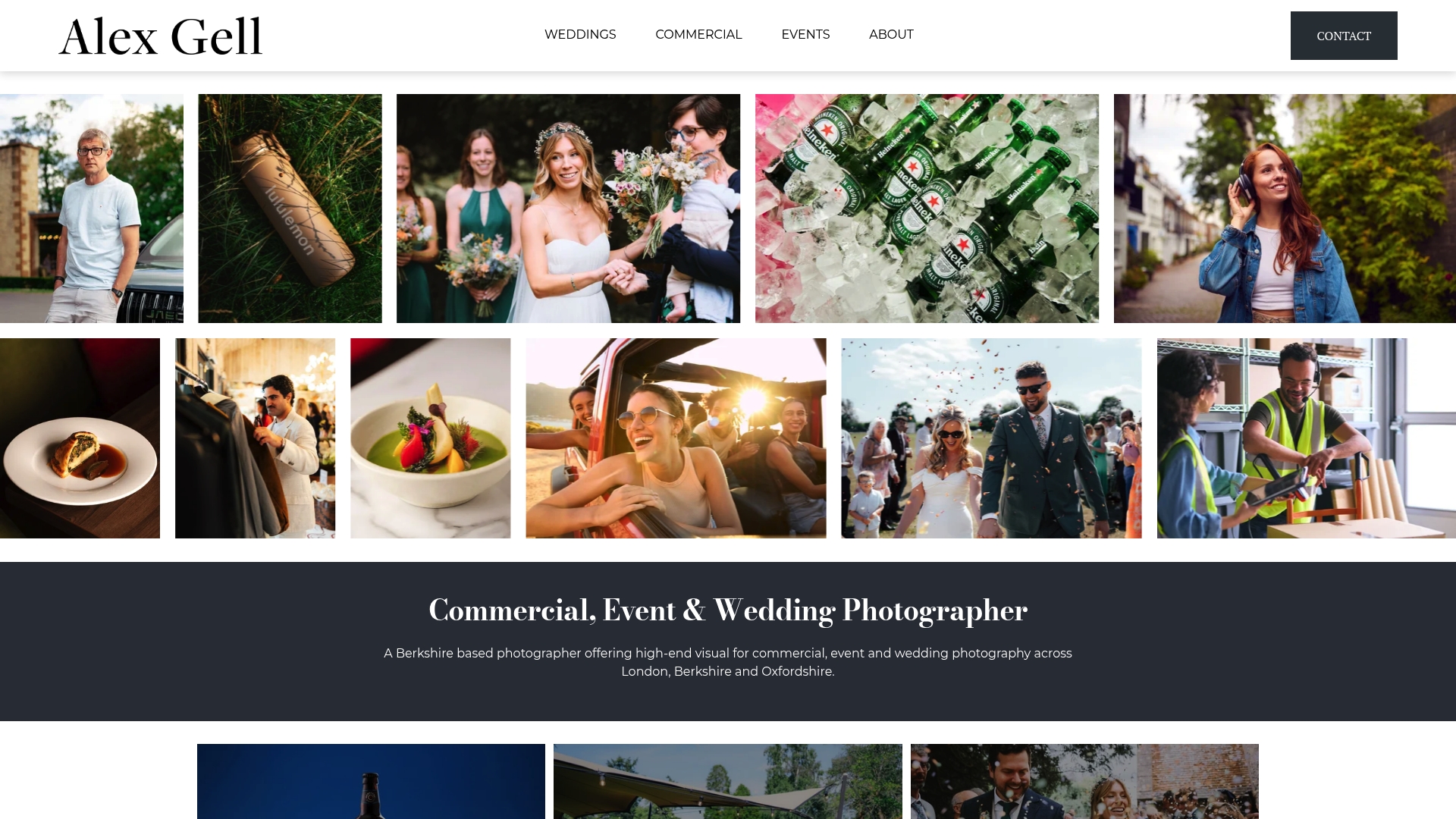
To start a conversation, head to the wedding enquiry page and share your date, venue, guest numbers, and a brief note on the style you are drawn to. If you are based in or around London, the London wedding photography page includes portfolio examples and coverage details specific to the city. Pricing is discussed openly from the first conversation, with no hidden extras and no pressure.
Sources
- Wedding Photography Contract Essentials UK: A Professional Guide for 2026
- How to choose a wedding photographer
- Photography contracts in the UK: key clauses, rights and common pitfalls
- How to choose a wedding photographer
