
Winter wedding photography: how to get it beautifully right
Yes, winter weddings photograph beautifully. It comes down to planning around the light and hiring a photographer who genuinely knows how to work with it, not against it. If you take three things away from this article, make them these: set your ceremony around golden hour, ask any photographer you're considering for at least two full winter galleries, and check they're bringing a fast prime lens and a proper lighting plan, not just hope.
Winter has real advantages you won't get in July. Candlelight, fairy lights, log fires, breath fogging in cold air, that hush that settles over a room when the light fades early. A photographer with genuine low-light experience turns short days into an asset, not a problem.
- Time the ceremony around golden hour, which often falls mid-afternoon in December
- Request two or more full winter wedding galleries before booking
- Confirm the photographer's kit includes fast primes and off-camera lighting
Key Takeaways
Winter wedding photography succeeds when the timeline is built around available daylight and the photographer brings low-light expertise, fast glass, and a genuine lighting plan.
| Point | Details |
|---|---|
| Plan around golden hour | Winter golden hour often falls between 3pm and 4pm, so build the ceremony and portraits around it. |
| Request winter galleries | Ask any photographer for at least two full winter wedding galleries before booking. |
| Check the kit | Confirm fast prime lenses, spare batteries, and off-camera lighting are part of their standard setup. |
| Use flash sparingly | Reserve flash for group shots and dancing; let candlelight carry the ceremony and dinner. |
| Book Alex Gell for winter coverage | Alex Gell offers winter-specific galleries, pre-wedding site visits, and tailored lighting plans across London, Berkshire and Oxfordshire. |
Table of Contents
- Working with winter light: golden hour, mixed light and white balance
- Sample timelines you can actually copy
- Gear and exposure: what actually matters
- Flash and lighting: enhancing the mood, not flattening it
- Choosing a venue and palette that work with winter light
- Cold-weather portraits and group shots without anyone shivering
- What to confirm with your photographer beforehand
- An author's perspective: what field experience actually teaches
- Dressing for the job: staying warm without losing mobility
- Planning for genuinely extreme weather
- Handling snow glare and reflective light
- Finding outdoor locations that make winter work for you
- What actually separates a great winter gallery from a disappointing one
- See the winter work for yourself
- Sources
Working with winter light: golden hour, mixed light and white balance
Daylight in December is a scarce resource, and treating it that way changes how you plan the whole day. In the UK, winter golden hour frequently falls between 3pm and 4pm, sometimes earlier the further north or the closer to the solstice you get. That's roughly three hours later than a June wedding, and it catches a lot of couples out because they build their timeline around a summer mental model.
The fix is straightforward: move things earlier. An earlier ceremony, or a first look before guests arrive, means portraits and couple shots happen while there's still usable daylight rather than in a rushed ten-minute window between the ceremony and the light dropping completely. Photographers who specialise in winter weddings routinely recommend building the whole schedule around sunset rather than treating it as an afterthought.
- Check sunset time for your date and venue postcode weeks in advance, not the week before
- Schedule couple portraits within 90 minutes either side of golden hour
- Agree with your photographer whether they'll shoot RAW and correct white balance later, or set it live for mixed tungsten and daylight scenes
Indoor venues often mix 3200K tungsten lighting with 5600K daylight coming through windows, and that clash needs a deliberate white balance strategy rather than an automatic setting.
Pro Tip: Ask your photographer whether they carry colour-correction gels for their flashes. A CTO gel matched to your venue's tungsten bulbs stops portraits looking like they were shot in two different rooms.
Sample timelines you can actually copy
A sensible winter timeline works backwards from sunset, not forwards from breakfast. Here are two starting points depending on your date.
| Time | December wedding (1pm ceremony) | Late January/February (mid-afternoon ceremony) |
|---|---|---|
| Morning | Bridal prep, detail shots | Bridal prep, detail shots |
| early afternoon | Ceremony | Groom/guest arrivals |
| early afternoon | Confetti, family formals | Ceremony |
| mid-afternoon | Golden hour couple portraits | Family formals |
| mid-afternoon | Wedding breakfast begins | Golden hour couple portraits |
| late afternoon onwards | Reception, candlelit dinner | Reception, candlelit dinner |
Build in a 15 to 20 minute buffer around portrait slots for travel between locations and unpredictable weather. If daylight is slipping away faster than planned, tell your photographer to prioritise the couple portraits first, then the wedding party, then the extended family groups, since the latter recover far better under flash than intimate portraits do.
- Confirm your exact sunset time with your venue coordinator, not a general estimate
- Slot golden hour portraits immediately after the ceremony or during a first look
- Keep large family formals for indoor light or early flash-assisted shots
Gear and exposure: what actually matters
Camera brand debates are mostly noise. What makes a genuine difference in low light is glass, and specifically fast prime lenses. A 35mm or 50mm prime at f/1.2 to f/1.8 lets in dramatically more light than a typical f/2.8 zoom, which means your photographer can keep shutter speeds high enough to freeze movement without pushing ISO into unusable territory. Fast primes are the decisive tool for candlelit receptions and dim ceremony rooms, far more than any camera body upgrade.
On exposure, professional practice tends to keep ISO under 3200 where possible, but a sharp, emotive frame at a higher ISO nearly always beats a technically clean but blurred one. A photographer who prioritises capturing the moment over chasing noise-free files is making the right call for your day.
- Ask what focal lengths and apertures they use for ceremonies and receptions
- A winter portfolio tells you more than a spec sheet ever will
- Spare batteries matter more in the cold; they drain faster below freezing
Flash and lighting: enhancing the mood, not flattening it
Heavy, direct flash is the fastest way to kill the atmosphere you're paying for. The professional approach treats off-camera flash as something that should mimic ambient light rather than replace it, used discreetly enough that guests barely notice it happened.
- Flash suits group shots, first dances, and anything with fast movement in low light
- Discretion suits the ceremony itself and the candlelit dinner, where ambient light carries the mood
- Gels matched to venue tungsten bulbs keep skin tones consistent across a gallery shot under mixed light
- A speedlight on a stand, bounced or diffused through a small softbox, adds fill without flattening shadows
Pro Tip: If your venue is lit mainly by candles and fairy lights, ask your photographer to shoot a test frame with and without flash during the site visit. You'll see immediately which version keeps the room's character intact.
Choosing a venue and palette that work with winter light
Some venues fight low light; others make the most of it. Look for spaces with layered light sources, fireplaces, table lamps, large windows and characterful architectural details, since these produce noticeably stronger winter galleries than a single overhead light source ever will. Our guide to Berkshire's best wedding venues covers several with exactly this kind of layered lighting.
- Deep jewel tones, gold accents, and navy hold their richness under low light far better than pastels
- Ivory and cream still work beautifully paired with warmer accent colours
- Metallics and textured fabrics catch candlelight and add dimension to still portraits
- Fairy lights and blankets do double duty: atmospheric prop and genuine practical warmth for guests
Cold-weather portraits and group shots without anyone shivering
Outdoor portraits in winter work best as short, decisive bursts rather than long, meandering sessions. Aim for 5 to 10 minutes outdoors at a time, then swap the group or head back inside to warm up.
- Keep outdoor windows tight and have blankets ready the moment the shot's done
- Choose warm, photogenic layers, wool shawls, tailored coats, leather gloves, over anything purely decorative
- Use clear umbrellas rather than opaque ones if there's drizzle, so faces stay visible in the frame
Pro Tip: Hand your wedding party a flask of something warm between takes. Warm hands and a quick laugh produce far more natural expressions than gritted teeth against the cold.
What to confirm with your photographer beforehand
A short conversation before the day saves a lot of stress on it. Before you sign anything, confirm the essentials.
- Ask to see at least two full winter wedding galleries, not just highlight reels
- Confirm they carry fast prime lenses, spare batteries, and off-camera lighting as standard kit
- Establish which shots absolutely must happen in daylight and which can move indoors if needed
- Agree contingency triggers in advance: at what point does the plan shift indoors?
An author's perspective: what field experience actually teaches
Working across London, Berkshire and Oxfordshire has meant photographing plenty of December and January weddings, and the pattern is always the same: the couples who worry least about "dark photos" are the ones whose photographer arrived with a plan, not just a camera bag.
- Genuine winter specialism shows in galleries, not in marketing copy
- Calm, confident direction during a five-minute outdoor window matters more than any single piece of kit
- Clients consistently mention consistency of colour and mood across a gallery, which comes from deliberate white balance and gel work, not luck
Consistency across a winter gallery rarely happens by accident. It comes from a photographer who has already thought through the light before the day arrives.
If you're planning a winter wedding, ask to see full galleries and request winter-specific samples through the wedding photography portfolio when you enquire.
Dressing for the job: staying warm without losing mobility
A photographer who's too cold to move fast will miss shots, and that's a practical problem, not a style one. Layering matters more than any single expensive item. Thermal base layers under trousers and a jumper, then a windproof, waterproof outer shell, keep core temperature stable through hours standing still directing a ceremony followed by bursts of movement chasing confetti shots.
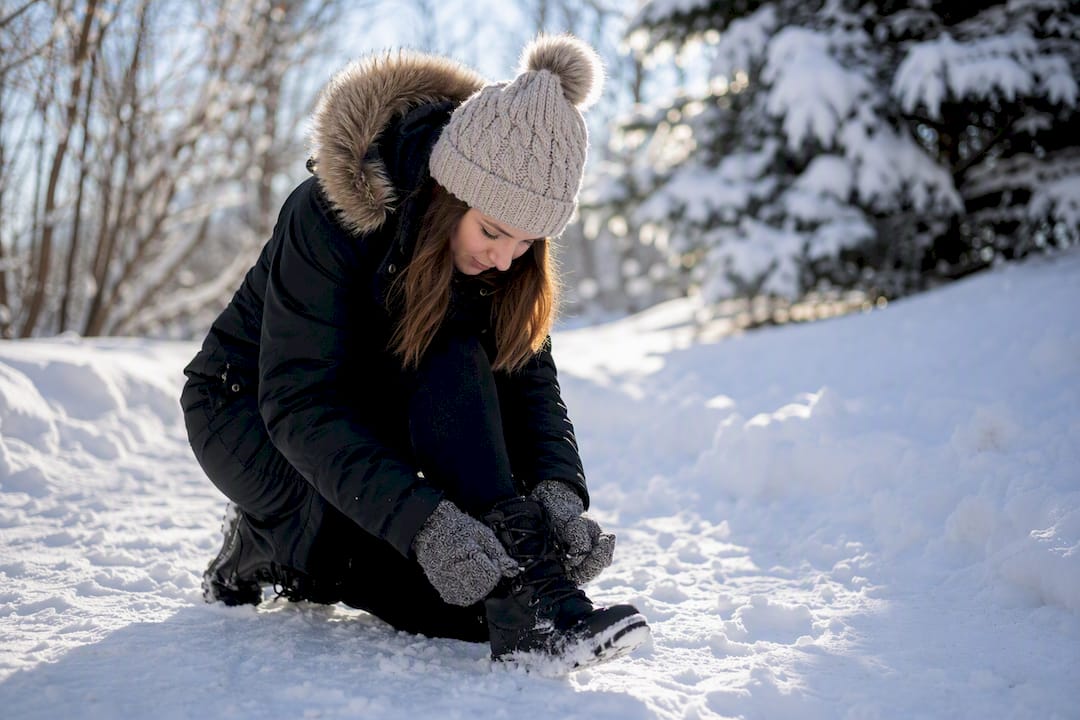
Footwear deserves as much thought as outerwear. Insulated, waterproof boots with decent grip matter enormously on frosted grass, gravel driveways, or church steps that have iced over. A photographer skidding while carrying a camera is a genuine hazard to the kit and to the shot.
Hands are the real challenge. Thick gloves keep fingers warm but make it nearly impossible to operate small dials and buttons with precision. Fingerless gloves with a fold-back mitten cap, or thin touchscreen-compatible liner gloves, let a photographer keep dexterity while still holding onto some warmth between shots.
Battery management ties directly into dressing well. Cold drains lithium batteries fast, so keeping spares in an inside jacket pocket close to body heat, rather than in a cold camera bag, keeps them functioning at full capacity. A photographer who's planned their layers properly can move quickly between the ceremony, the reception, and outdoor portraits without the cold slowing them down or forcing early breaks, which directly protects your coverage.
Planning for genuinely extreme weather
Snow and frost are assets. A full-blown snowstorm or driving rain is a different problem, and a good photographer has a plan for it before the day, not during it.
The first step is agreeing priorities in advance. If outdoor portraits become impossible, which shots matter most? Most couples would rather have warm, characterful portraits inside near a fireplace or by a large window than risk equipment and comfort in genuinely dangerous conditions. Deciding this beforehand, rather than negotiating it on the day, removes stress from everyone involved.
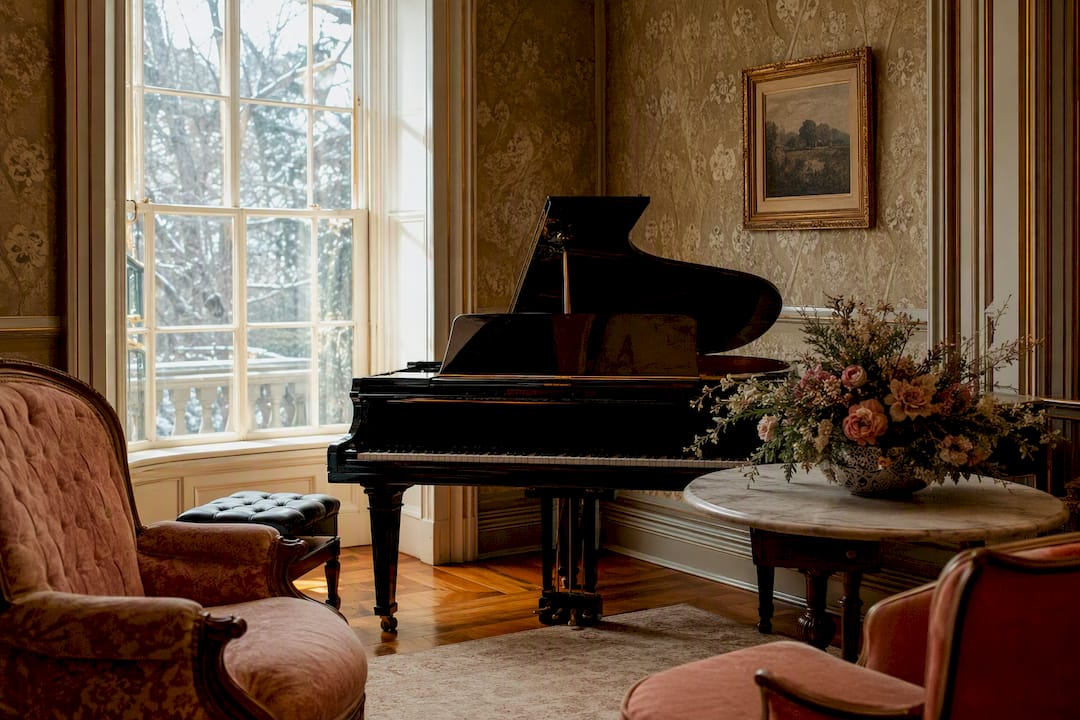
Indoor backup locations should be scouted, not improvised. A venue with a striking staircase, large windows, or an atmospheric bar area often produces portraits just as strong as an outdoor session, sometimes stronger, because the light is controllable. This is exactly why a pre-wedding site visit is worth insisting on: a photographer who has already walked the venue knows where the light works and where it doesn't.
Weather-sealed camera bodies and lenses help, but they're not a substitute for judgement. Rain covers, lens cloths, and a spare change of dry layers for the photographer all matter on the day. Clear umbrellas, mentioned earlier for portraits, do double duty here too, letting couples stay dry without disappearing behind an opaque canopy in every shot. The goal isn't avoiding weather entirely. It's having a genuine plan B that still produces a gallery you'll love.
Handling snow glare and reflective light
Snow is beautiful and technically tricky in equal measure. Fresh snow reflects an enormous amount of light back into a scene, which confuses a camera's metering system and often results in underexposed subjects against a blown-out white background.
The practical fix is manual exposure compensation. A photographer working in snow typically dials in positive exposure compensation, often one to two stops over what the camera's meter suggests, because the meter reads all that bright white and tries to darken it, taking your faces down with it. Shooting in manual mode rather than relying on automatic metering gives far more consistent, reliable results across a whole session.
Position matters just as much as settings. Angling subjects so the sun or bright sky sits behind the photographer rather than directly behind the couple reduces glare and avoids harsh silhouettes. Overcast winter days, often dismissed as "bad light," actually work beautifully with snow, since soft, diffused cloud cover eliminates harsh reflections and gives even, flattering light across faces.
Polarising filters can help cut reflected glare from icy surfaces and wet stone, though they're used more selectively in portrait work than in landscape photography, since they can occasionally flatten skin tones if overused. A skilled photographer will use one situationally rather than leaving it on for the whole shoot.
Shooting RAW is particularly valuable in snow scenes, since it preserves far more detail in both the bright highlights and any shadow areas, giving much greater flexibility to recover a balanced exposure afterwards if the in-camera result runs slightly too bright or dark.
Finding outdoor locations that make winter work for you
The right outdoor location does half the work for you. Fresh, untouched snow is the obvious winter asset. A single set of footprints across a pristine white field, or a couple walking hand in hand with snow still falling, produces images that simply aren't possible any other time of year.
Evergreen backdrops deserve more attention than they usually get. Pine forests, holly hedges, and yew avenues stay green and structured through winter when deciduous trees are bare, giving a rich, textured background that reads beautifully against formalwear. Many venues with landscaped grounds have exactly this kind of planting, worth scouting specifically for winter dates.
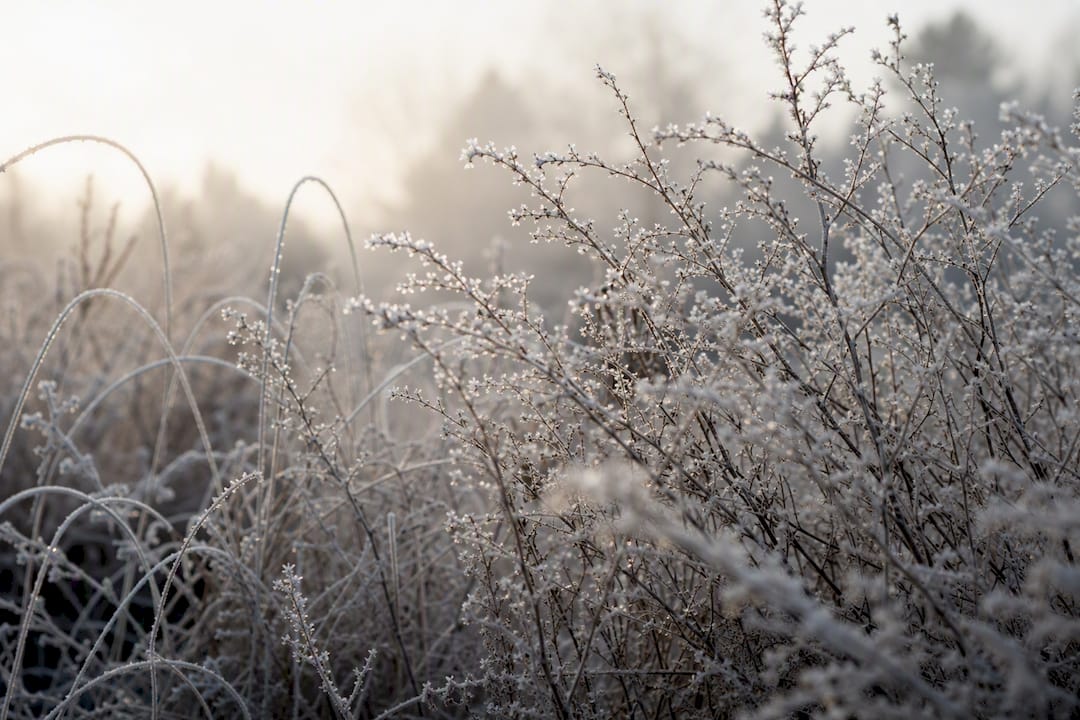
Frost adds detail that summer simply can't offer. Frosted branches, iced-over ponds, and rimed grass catch low winter light in a way that creates sparkle and texture across an image, particularly effective in the soft light either side of golden hour.
Proximity to shelter matters practically as much as aesthetically. A stunning frozen lake shot is only worth attempting if there's somewhere warm nearby for the wedding party to retreat to immediately afterwards. The best winter locations tend to sit close to the venue itself, minimising travel time and exposure to the cold between the ceremony and the reception.
Avoid locations that turn hazardous in ice or heavy frost, sloped paths, uneven stone steps, anything requiring sustained balance in formal shoes. A photographer who has done a proper site visit beforehand will already know which spots to embrace and which to skip.
What actually separates a great winter gallery from a disappointing one
Most advice on winter wedding photography focuses on gear, and gear matters less than people assume. The single biggest factor is whether the photographer has genuinely planned the day around light before it starts, not whether they own the newest camera body.
Conventional wisdom tends to treat winter as a problem to survive: shorter days, colder guests, trickier light. That framing misses what actually makes winter galleries distinctive. Candlelight, fairy lights, breath fogging in cold air, the hush of an early sunset settling over a reception, these aren't compromises. They're a different kind of beautiful, and couples who lean into it rather than fighting it consistently get stronger results.
If you take one thing from this article, prioritise the conversation about timing over the conversation about kit. A photographer with a fast prime lens but no plan for your specific venue's light will still struggle. A photographer with a clear plan, built around your actual ceremony time and venue features, will make good decisions regardless of exactly which lens is on the camera that day. Ask about the plan first. Ask about the glass second.
— Alex
See the winter work for yourself
There are other ways to prepare for winter wedding photography: reading technique guides, borrowing kit lists from forums, hoping for the best on the day. None of them show you what your actual gallery might look like. Seeing full winter weddings, shot start to finish in the exact low-light, candlelit conditions your own day will bring, tells you far more than any checklist.
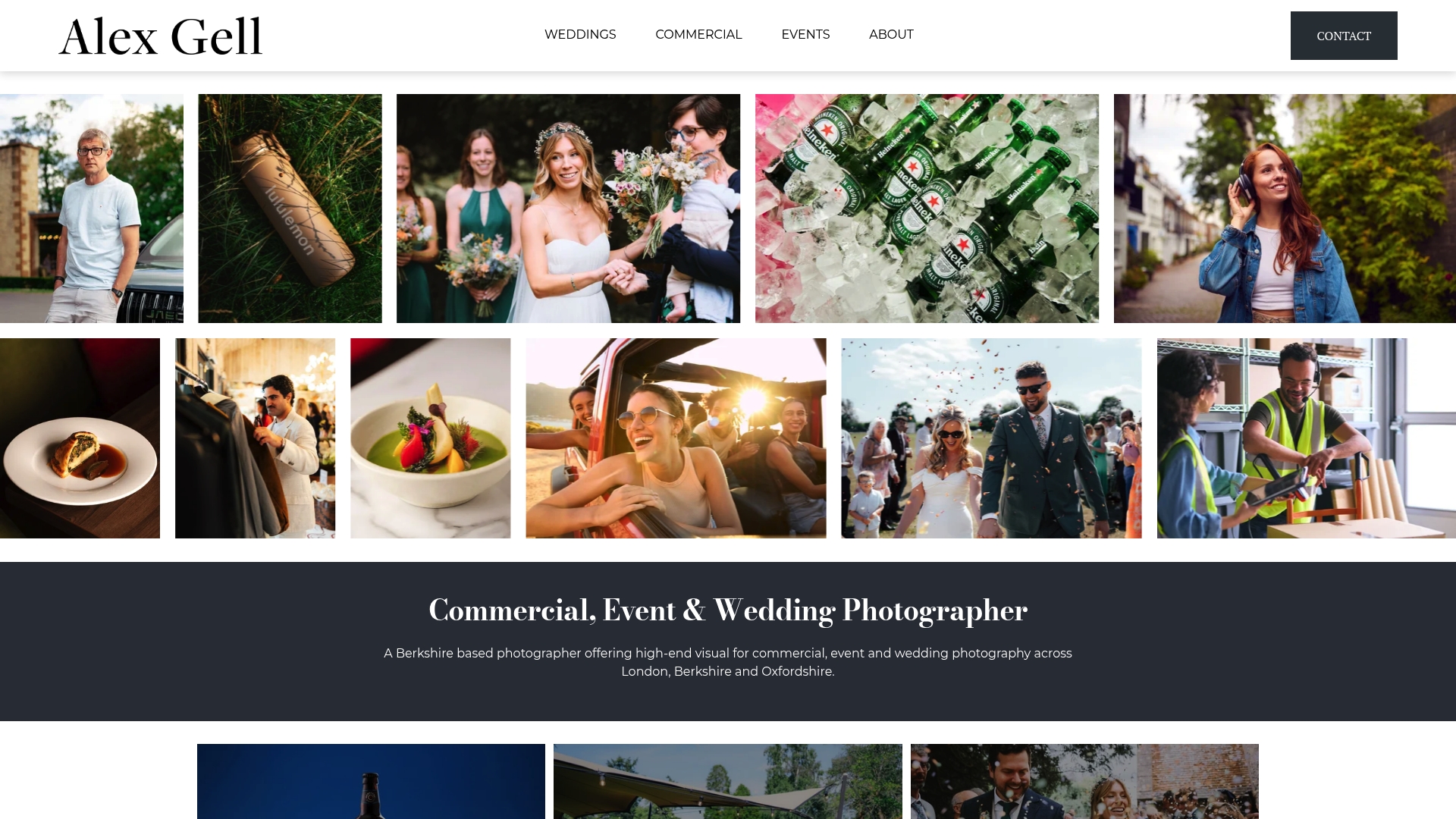
Alex Gell shoots weddings across London, Berkshire and Oxfordshire, with a particular focus on documentary-style coverage that holds up in low winter light. The wedding photography portfolio includes full winter galleries you can browse before booking anything, and every enquiry can request winter-specific samples matched to your venue type. Where it's useful, Alex also offers a pre-wedding site visit to plan lighting around your specific ceremony room and reception space, so nothing about your gallery is left to chance on the day itself.
If you're planning a December, January or February wedding, get in touch through the wedding enquiry page to check availability and request a tailored quote.
Sources
- Mastering difficult wedding lighting: a professional guide to excellence
- Digital Camera World — lens and low-light technique guidance
