
Rights Buyout Vs Licensing: which one should you choose?
A rights buyout (assignment) sells legal ownership of the work for a one-off fee. A licence keeps ownership with the creator while granting defined permission to use it. That's the whole distinction in a sentence, and almost every dispute in this area comes from someone forgetting it.
The cash-out route suits a clean break; the ongoing route suits anyone who expects the work to earn money for years. Gov sets out the legal mechanics, the Copyright, Designs and Patents Act 1988 governs how assignments and exclusive licences take effect, and I've negotiated both structures across commercial shoots at Alex Gell.
Before you sign anything, ask yourself:
- Do I want a lump sum now, or income spread over years?
- Does the buyer need total control, or just permission for a specific use?
- Am I comfortable losing all say over where this image ends up?
Key Takeaways
An assignment sells copyright permanently for a lump sum, while a licence keeps ownership with the creator and grants defined, time-limited use rights.
| Point | Details |
|---|---|
| Know the legal difference | Assignment transfers ownership and must be signed in writing; a licence is a contractual permission only. |
| Weigh cash vs control | A buyout gives immediate payment and no future income; a licence gives ongoing royalties but needs administration. |
| Protect moral rights | Confirm credit and objection rights survive the deal, whether you're assigning or licensing. |
| Use staged deal structures | An exclusive licence with a later buyout option can capture benefits of both routes. |
| Commission with clear terms | Alex Gell agrees licensing or assignment terms in writing before any commercial shoot begins. |
Table of Contents
- Rights buyout vs licensing: what the terms actually mean
- Pros and cons for creators and buyers
- When does a buyout make sense, and when should you license?
- What every buyout or licence contract needs to nail down
- Negotiating price and structure without giving away too much
- How this plays out on real commercial shoots
- What the conventional advice gets wrong
- Commissioning work with clear rights from the outset
- Frequently asked questions
- Sources
Rights buyout vs licensing: what the terms actually mean
An assignment transfers ownership outright. Under section 90 of the Copyright, Designs and Patents Act 1988, it must be in writing and signed by the assignor to take legal effect. No handshake deals, no verbal agreements. Once signed, the buyer owns the copyright and can exploit, sell, or license it on without asking you.
A licence is a contractual permission, not a sale. It can be exclusive (only the licensee may use the work) or non-exclusive (you can license the same image to others too). Three terms shape every licence:
- Exclusivity — whether you're the only party permitted to use the work.
- Territory and duration — a licence limited to the UK for two years is worth very different money to one covering worldwide use in perpetuity.
- Moral rights — the right to be credited and to object to derogatory treatment. These sit separately from economic rights and survive an assignment unless expressly waived.
A well-drafted exclusive licence can feel almost identical to an assignment in practice, without the buyer ever taking title.
Pros and cons for creators and buyers
For the creator, an assignment means immediate cash and zero admin afterwards, but you hand over every future pound the work might earn. Licensing keeps the income tap running (royalties, renewal fees, staged payments) but means invoicing, tracking usage, and occasionally chasing a client who's overstepped the agreed scope.
For the buyer, it flips. Assignment buys freedom: use the image however you like, forever, with no further payment. A licence is usually cheaper upfront but comes with strings, renewal dates, and the risk that a competitor could licence the same shot under a non-exclusive deal.
- Creator gains from assignment: certainty, speed, no ongoing admin.
- Creator gains from licensing: long-term income, retained credit, control over misuse.
- Buyer gains from assignment: total control, no renewal risk, cleaner brand ownership.
- Buyer gains from licensing: lower initial cost, flexibility to test before committing.
Tax treatment differs too. A lump-sum assignment is often treated differently to royalty income for both income tax and VAT purposes, and the position varies depending on whether you're a sole trader, a limited company, or VAT-registered.
Pro Tip: Never guess your tax position on a large buyout fee. Speak to an accountant before you sign, not after the payment lands.
When does a buyout make sense, and when should you license?
1. Choose a buyout when you want a clean, final exit. If you're selling a business, closing out a one-off packaging job, or simply want the money and nothing more to manage, assignment removes every future obligation.
2. Choose a buyout when the buyer genuinely needs full control. Some brands won't proceed without owning the artwork outright, particularly for packaging, logos, or anything tied to trademark protection.
3. Choose a licence when the work has long-term earning potential. A striking product shot used across five seasonal campaigns is worth far more licensed piece by piece than sold once for a flat fee.
4. Choose a licence when you want to keep options open. Staged deals, such as an exclusive licence with an option to assign later, let you bank early income while leaving the door open for a bigger payout if the work takes off.
Quick checklist: is this a one-off use or a multi-year campaign? Does the buyer need to sublicense to third parties? Will you regret losing moral rights control in five years? If any answer points to "ongoing", lean licence.
What every buyout or licence contract needs to nail down
An assignment contract is short but unforgiving. It needs an explicit list of rights transferred (not just "the images", but which formats, edits, and derivative works), the payment terms, and a warranty that you actually own the work and haven't already licensed it elsewhere. Reversion triggers, where rights bounce back if the buyer never uses the work, are worth negotiating even in a sale.
A licence contract carries more moving parts:
- Precise scope of permitted acts (print, digital, paid social, out-of-home)
- Territory and duration, stated in plain figures, not "worldwide, forever" by default
- Reporting and audit rights so you can verify royalty payments are accurate
- Sublicensing terms: can the client pass usage rights to a third agency?
- Termination triggers, including what happens on insolvency
Notifying the Intellectual Property Office of certain licensing interests within six months protects your position against a successor in title, something most freelancers never do and later regret.
Moral rights need a specific line: are you credited, and have you waived the right to object to changes? An assignment doesn't automatically strip these away, but plenty of buyers assume it does. LexisNexis's licensing guidance notes that thorough negotiation on payment, exclusivity, renewal, and dispute resolution is standard practice, not an optional extra.
Negotiating price and structure without giving away too much
Pricing an assignment usually starts from a benchmark: what would three years of licensing income realistically total? Use that as your floor, not your buyer's opening offer. Licensing pricing works differently, built from royalty rates, minimum guarantees, and milestone payments tied to campaign launches.
Deal structures worth proposing:
- An exclusive licence with a buyout option if the campaign performs well
- A reversion clause that returns rights to you if the buyer doesn't use the work within an agreed window
- Audit rights built into any royalty arrangement
Pro Tip: If a contract calls itself "irrevocable", read it twice. Irrevocable means the licence can't be cancelled at will, not that it's immune to termination for breach or insolvency unless the wording says so explicitly.
Walk away from vague scope wording, open-ended sublicensing with no cap, or any royalty clause with no audit mechanism attached.
How this plays out on real commercial shoots
A food brand once commissioned seasonal product photography from me on an exclusive licence, renewed each year, with moral rights retained and a small royalty on repeat campaign use. Three years on, that arrangement has paid more than a single buyout fee ever would have.

Contrast that with a packaging client who needed full ownership before the product could go to print under trademark. That was a straightforward assignment: one fee, full rights transfer, no ongoing relationship required.
Both structures are visible across commercial shoots I've delivered across London and the South East, each negotiated on its own terms.
What the conventional advice gets wrong
Most guidance on buyout vs licensing reduces the decision to a simple trade-off: cash now versus income later. That framing misses the real lever, which is control over the negotiation structure itself. A reversion clause, a staged assignment, or an exclusive licence with a built-in buyout option can capture most of the benefit of both routes at once.
The advice that circulates online also underplays moral rights. Creators fixate on the fee and forget to ask whether they'll be credited, or whether they can object if the work is altered beyond recognition. That single clause matters more than most people realise once the work is out in the world.
If there's one priority I'd push above all others, it's this: decide your walk-away position on control before you discuss price. Once you know whether retaining any say over the work matters to you, the pricing conversation becomes far easier, because you're no longer negotiating against yourself.
Commissioning work with clear rights from the outset
Every dispute I've seen over usage rights traces back to a brief that never named the terms upfront. Alex Gell builds licensing or assignment terms into the quote before the shoot happens, not as a scramble afterwards, so brands, agencies, and event teams know exactly what they're buying from day one.
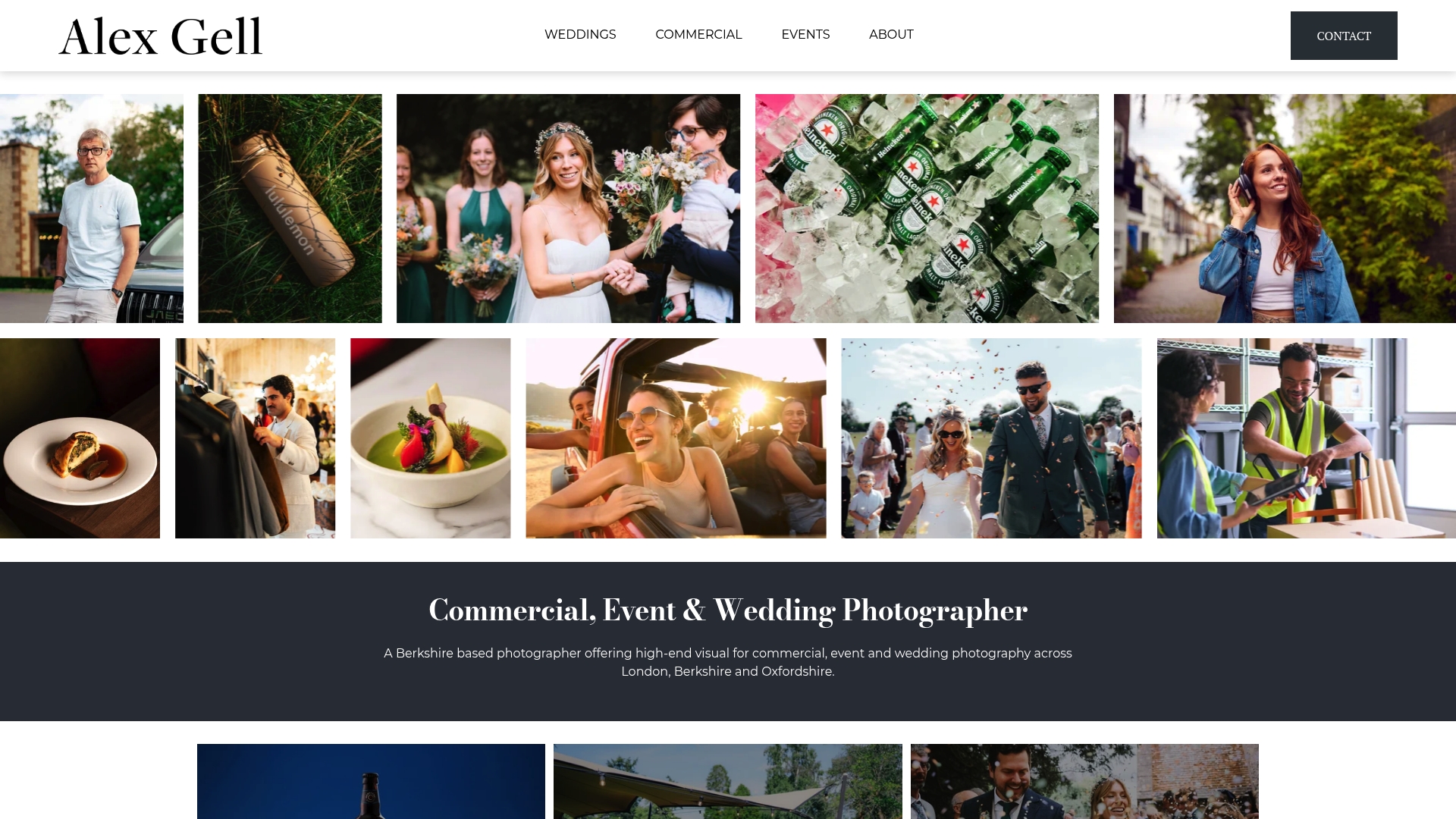
Whether you need a bespoke commercial shoot with a tailored licence, or a full rights buyout for packaging, product launches, or brand campaigns, the terms get agreed in writing before the camera comes out. If you're commissioning in the South East, take a look at the commercial photography service in Oxfordshire or the London commercial photography page for how usage terms are structured, then get in touch for a quote that spells out ownership and usage from the first conversation.
Frequently asked questions
Is a rights buyout the same as a full copyright sale? Yes. A rights buyout and an assignment mean the same thing: permanent transfer of ownership for an agreed fee, valid only once signed in writing under the Copyright, Designs and Patents Act 1988.
Can I get royalties after selling my rights outright? No, not unless the contract specifically includes a separate royalty clause alongside the assignment. Once ownership transfers, future income belongs to the buyer.
Does an exclusive licence give the same protection as a buyout? It can come close commercially, since only the licensee may use the work, but ownership stays with the creator and the licence remains subject to its stated duration, territory, and termination triggers.
What happens to moral rights in a buyout? Moral rights, such as the right to be credited, can be retained or waived separately from the economic rights sold in an assignment. Always confirm which applies in writing.
Who typically prefers licensing over a buyout? Creators expecting long-term commercial value from a single piece of work, and buyers who want to test a campaign before committing to full ownership, both tend to favour licensing arrangements.
This article is general information, not a substitute for advice from a qualified lawyer. Consult a qualified legal professional about your own circumstances before acting on anything here.
Sources
- Gov
- Legislation
- Licensing IP rights — LexisNexis UK
- Intellectual property licences and insolvency — Taylor Wessing
