
Candid Wedding Photography: What it Means for Your Day
Candid wedding photography captures real, unforced moments, with light guidance when needed, so you get the emotion of the day rather than a series of posed images. It suits couples who care more about genuine laughter and tears than symmetrical group line ups. You'll still get your essential family and couple portraits; candid simply means they take up less of your day, not none of it.
- Real reactions over rehearsed smiles
- Minimal interruption to your celebration
- Formal portraits still included, just streamlined
- Works best when you want the day to feel lived in, not staged
Key Takeaways
Candid wedding photography works best when photographers combine anticipation and light prompting rather than promising zero direction or delivering only stiff, posed frames.
| Point | Details |
|---|---|
| Candid is a look, not a rule | Photographers use gentle prompting and positioning to create natural-looking images, not strict non-intervention. |
| Ask for full galleries | Full-day galleries reveal consistency far better than curated highlight reels do. |
| Focus on directed time | Ask how many minutes will be posed rather than requesting a candid-to-posed ratio. |
| Prepare with an engagement shoot | A pre-wedding session helps camera-shy couples relax before the main event. |
| Alex Gell blends both approaches | Documentary anticipation paired with editorial polish, covering weddings across Berkshire, Oxfordshire and London. |
Table of Contents
- What is candid wedding photography, really?
- Why candid works, and where it shines brightest
- What actually happens on the day
- How to choose a candid or documentary photographer
- Tips if you dread having your photo taken
- Meet Alex: candid with an editorial finish
- What the wedding industry gets wrong about "candid"
- Ready to plan your candid wedding coverage?
- Frequently asked questions
- Sources
What is candid wedding photography, really?
"Candid" describes a look: relaxed, unposed, full of movement and genuine feeling. "Documentary" describes a way of working, an approach built around observation and story, following the day as it unfolds rather than directing it. Photojournalism is closer to an ethic, a commitment to minimal interference borrowed from press photography. In practice, most working photographers blend all three. Documentary photography relies on the same anticipation and timing that produces candid-looking results, rather than staged setups dressed up as spontaneous.
Confusion creeps in when photographers advertise "zero direction" as a badge of honour. In reality, most candid practitioners use light prompting and positioning to keep shots natural and flattering. Candid rarely means the photographer is invisible. It means the direction is so gentle you barely notice it happening.
- Candid = the visual style
- Documentary = the working method
- Photojournalism = the non-interference principle
- Most photographers use all three in some measure
Pro Tip: Ask a photographer to talk you through one full gallery, start to finish. How they describe their own process tells you more than any label on their website.
Why candid works, and where it shines brightest
Posed photographs tend to look like their era. Candid images tend to age well, because they're anchored in a real moment rather than a trend in posing. Couples who choose candid coverage often say the biggest relief is how little the camera intrudes on their actual wedding day, guests can relax, conversations flow, and nobody's herded into a line for twenty minutes.
Certain parts of a wedding day reward candid coverage more than others:
- Getting ready — nervous energy, quiet moments with parents, the last-minute dress adjustment.
- Vows and reactions — tears, glances, the groom's face the second the doors open.
- Speeches — genuine laughter and the unscripted wobble in someone's voice.
- Cocktail hour — guests mingling, free from any photographer's instruction.
- The dance floor — chaos, joy, the moments nobody plans but everybody remembers.
Candid suits most weddings, though a heavily formal, portrait-driven day with large extended family group shots may need more structured time than a purely observational approach allows.
What actually happens on the day
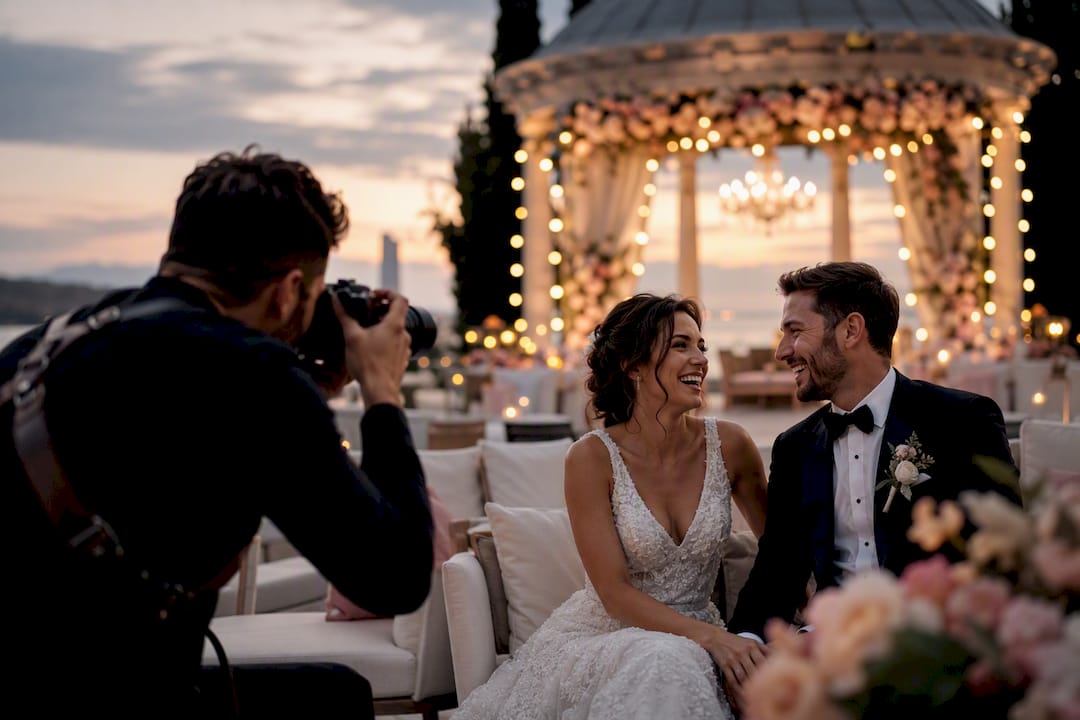
A good candid photographer spends the day reading the room, literally. That means standing where a reaction is about to happen rather than chasing it afterwards. Anticipation is the real skill behind candid photography: timing, composition and constant awareness of where the story is heading next.
Portrait and family photo time is usually kept tight, often 20 to 30 minutes, organised in advance so nobody stands around while a guest list is read out loud. Ask your photographer how they plan to run this part; a clear answer signals experience.
- Expect brief, well-organised portrait sessions, not a lengthy formal shoot
- Expect the photographer to move around you rather than pose you
- Expect backup cameras and memory cards as standard practice
- Expect natural light to be used wherever the venue allows it
Editing matters as much as shooting. Careful curation means removing near-duplicate frames and selecting only the images that add new information to the story, so your gallery reads like a narrative rather than a contact sheet.
How to choose a candid or documentary photographer
Picking the right person comes down to asking sharper questions than "do you shoot candid?"
- Ask to see full-day galleries, not just highlight reels. Full galleries reveal consistency in a way a curated portfolio of best-of shots never will.
- Ask how much directed time they'll need. A specific number, such as 25 minutes for family groups, tells you more than a vague promise of "minimal posing."
- Ask about backup equipment and insurance. This is standard practice among established professionals and worth confirming before you sign anything.
- Check the contract for usage rights, delivery timelines and what happens if illness strikes.
Red flags are usually easy to spot once you know to look. A "candid" portfolio full of stiffly posed group shots suggests the label is marketing, not method. So does a photographer who can't produce a single complete gallery, only cherry-picked favourites.
Pro Tip: If you're camera-shy or planning a very formal day, say so early. A photographer's answer, whether they adapt or push back, tells you everything about how the day will actually feel.
Tips if you dread having your photo taken
Camera-shyness fades faster than most couples expect, especially with a bit of preparation.
- Book an engagement shoot; it gives you a low-stakes hour to get used to a lens pointed at you, and practitioners consistently find couples relax once they stop thinking about the camera
- Keep formal portrait windows short, ten to fifteen minutes feels very different to an hour
- Ask your photographer for simple interaction prompts, "tell her what you love about today", rather than stiff posing instructions
- Brief your wedding party in advance so nobody needs three reminders about where to stand
- Small staging cues, like walking somewhere together rather than standing still, keep things looking natural while still giving the photographer a clean composition
Meet Alex: candid with an editorial finish
I'm Alex Gell, and I've spent years photographing weddings, corporate events and brand campaigns across Berkshire, Oxfordshire and London. My approach blends documentary anticipation with an editorial eye, real moments, captured with the same care a magazine shoot demands.
- Regional practice across Berkshire, Oxfordshire and London
- Portfolio spanning weddings, corporate events and lifestyle brand work
- A working method built on positioning and quiet prompting, not stopping the day to pose
Genuine, honest, real moments. That's what I chase all day, every wedding, whether it's the quiet look between parents or the chaos on the dance floor at midnight.
What the wedding industry gets wrong about "candid"
The biggest myth in this whole conversation is that candid means hands-off. It doesn't, and pretending otherwise sets couples up for disappointment when their photographer inevitably asks them to stand somewhere for two minutes. The honest version, gentle prompting alongside genuine observation, produces better photographs than a rigid "no direction" policy ever could.
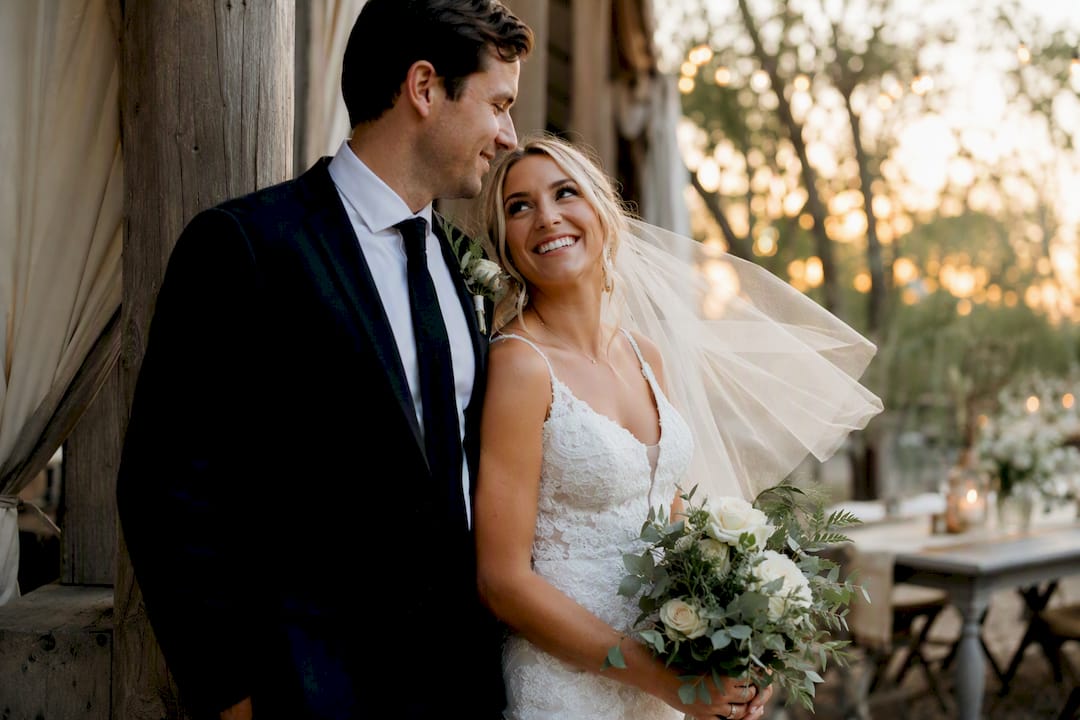
Where most advice falls short is treating candid and formal as opposites you must choose between. They're not. The real decision is how much of your day gets interrupted, not whether posed photos exist at all. A couple who wants five formal portraits and three hours of pure observation needs a very different conversation with their photographer than one who wants forty formal shots and an hour of candid coverage.
My advice: stop asking photographers if they "do candid." Ask them how many minutes of your day will be directed. That single number tells you more about fit than any portfolio scroll ever will.
Ready to plan your candid wedding coverage?
If you've read this far, you already know candid photography isn't about disappearing photographers or zero portraits, it's about keeping direction to a minimum while still walking away with the formal shots your family will want. That's exactly how I work. My wedding photography approach blends observational coverage with a short, well-planned portrait session, so you get authentic storytelling and the polished images you'll want printed and framed.
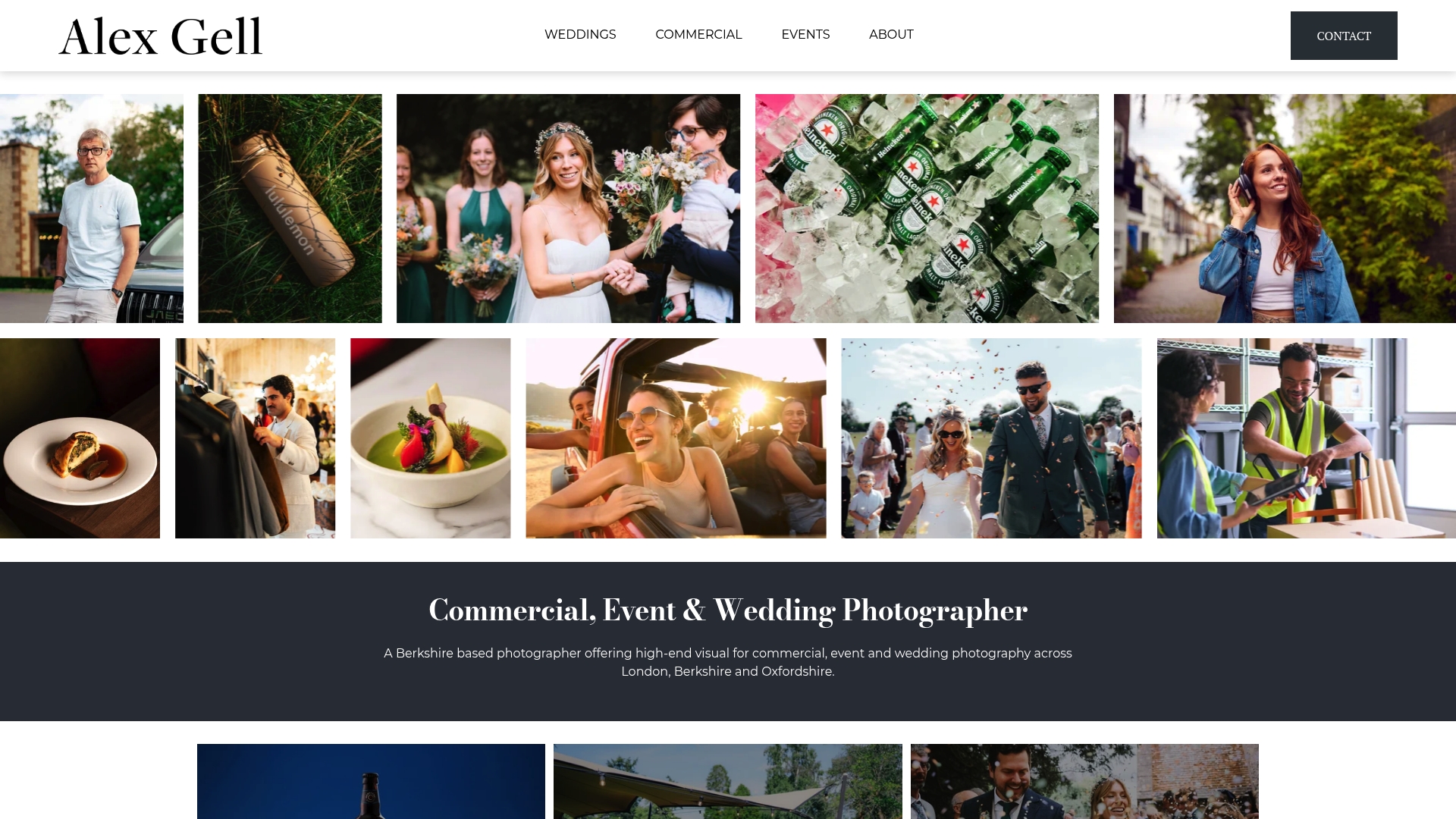
A typical wedding booking includes full-day coverage, a tightly organised portrait window, and a curated gallery edited for story rather than volume, no thousands of near-identical frames to wade through. You can browse examples of that blend in the wedding photography portfolio before deciding anything. When you're ready to check dates or ask about coverage for your venue, get in touch through the wedding enquiry page and I'll talk you through exactly how the day would run.
Frequently asked questions
Does candid wedding photography mean no posed photos at all? No. Most photographers still schedule a short, organised window for family and couple portraits, usually 20 to 30 minutes, alongside candid coverage throughout the rest of the day.
What's the difference between candid and documentary wedding photography? Candid describes the natural, unposed look of the images. Documentary describes the working method behind them, observing and following the day's story as it happens.
How much of my wedding day will be interrupted for photos? That depends on the photographer, which is why asking for a specific number of directed minutes matters more than asking for a candid-to-posed ratio.
Is candid photography suitable for a very formal wedding? It can be, though heavily formal, portrait-driven days may need more structured time than a purely observational approach allows.
Will a pre-wedding shoot really help if I'm camera-shy? Yes. An engagement shoot gives you practice being photographed in a low-pressure setting, so you're noticeably more relaxed by the wedding day itself.
Sources
- Real questions, honest answers: what's documentary wedding photography really all about? — English Wedding
- Candid wedding photography: what it means and how to do it — Photo-Logica
- What to expect from a documentary wedding photographer — Philip Thomas
- Candid wedding photography guide 2026 for modern couples — ShareUrWedding
